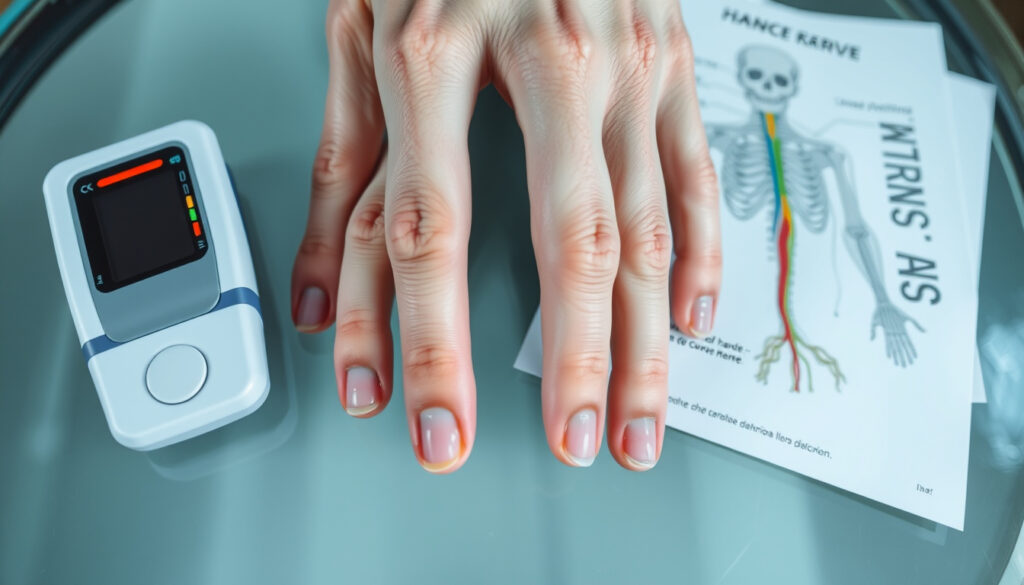
What Causes Numbness in Hands: Common Reasons & When to Worry
Waking up with a hand that feels like it belongs to someone else — tingling, heavy, useless for a few seconds — is one of those small terrors everyone experiences. In most cases it’s just nerve compression from sleeping wrong, and shaking it out fixes everything. But numbness in the hands can also point to conditions worth taking seriously. Mayo Clinic and Cleveland Clinic both point to the same root cause for most cases: nerve damage or compression. This article breaks down the top triggers, the warning signs that mean it’s time to see a doctor, and proven ways to ease the numbness at home.
Most Common Cause: Nerve compression or damage · Key Sources: Mayo Clinic, Cleveland Clinic · Common Triggers: Sleeping position, leaning on elbows · Associated Factors: Vitamin deficiencies, carpal tunnel
Quick snapshot
- Most cases stem from nerve damage or compression (Mayo Clinic)
- Carpal tunnel affects thumb, index, middle fingers; small finger stays normal (American Society for Surgery of the Hand)
- Exact disease that starts specifically with numb hands (requires individual diagnosis)
- Long-term studies on home relief efficacy remain limited
- Mayo Clinic numbness page updated: August 2025 (Mayo Clinic)
- Cleveland Clinic reviewed: August 2023 (Mayo Clinic)
- Diagnostic tests (EMG, MRI, blood work) help pinpoint the specific cause
- Treatment ranges from lifestyle adjustments to medical intervention depending on severity
The table below consolidates key facts about hand numbness from major medical sources, including prevalence data, typical onset patterns, and diagnostic indicators.
| Label | Value |
|---|---|
| Primary Cause | Nerve damage or compression |
| Common Location | Arm, wrist, hand |
| When to Seek Help | If persistent or with other symptoms |
| Peripheral Neuropathy Prevalence | 2–3% of population |
| Most Common Cause of Neuropathy | High blood sugar / diabetes |
| Carpal Tunnel Affected Fingers | Thumb, index, middle, part of ring finger |
| Small Finger in Carpal Tunnel | Normal sensation preserved |
| Diabetes Numbness Onset | Typically starts in feet first |
What are the most common causes of hand numbness?
The vast majority of hand numbness cases trace back to one mechanism: a nerve in your arm or wrist gets pinched, irritated, or damaged. Mayo Clinic identifies damage, irritation, or compression of a nerve or nerve branch in the arm or wrist as the primary driver of hand numbness. Cleveland Clinic confirms that the most common cause is nerve damage or compression, often from sleeping position, leaning on elbows, or repetitive motions.
Nerve compression
Nerve compression happens when pressure crowds a nerve. Mayo Clinic notes that this pressure can come from sleeping in one position too long, resting your elbow on an armrest, or repetitive hand movements that inflame surrounding tissue. The solution is often as simple as changing position or taking breaks during repetitive tasks.
Carpal tunnel syndrome
Carpal tunnel syndrome specifically involves compression of the median nerve as it passes through a narrow tunnel of bone and ligament at the wrist. Cleveland Clinic explains that this condition is common with repetitive hand use, such as typing, assembly line work, or power tool operation. The numbness typically affects the thumb, index, middle fingers, and part of the ring finger, while the small finger remains unaffected. Mayo Clinic Health System adds that symptoms are often worse at night or in the morning and may be temporarily relieved by shaking the hand. The condition can be worsened by medical conditions like arthritis, gout, diabetes, and amyloidosis, according to Mayo Clinic Health System.
Vitamin deficiencies
Certain vitamin deficiencies can trigger numbness in the hands. B12 deficiency, low calcium (hypocalcemia), and other electrolyte imbalances affect nerve function. A case published in the Cleveland Clinic Journal of Medicine describes a 67-year-old patient whose bilateral hand numbness was linked to low calcium — detected using the Trousseau sign, where a blood pressure cuff is inflated for 3 minutes to trigger characteristic hand spasms. While WebMD notes that genetic disorders like Charcot-Marie-Tooth disease and hereditary neuropathy with liability to pressure palsies (HNPP) can cause hand numbness, these are less common underlying factors.
The implication: most cases of hand numbness resolve on their own once the pressure on the nerve is relieved. Persistent or recurring numbness, however, warrants professional evaluation.
When should I worry about numb hands?
Most hand numbness is benign, but Cleveland Clinic advises that if numbness in your hands lasts for more than a few hours, or if you notice it comes and goes, you should seek prompt medical attention. The key distinction is that numbness alone is usually not linked to dangerous conditions like strokes or tumors — brain or spinal cord issues typically involve weakness alongside the numbness.
Red flags for numbness
- Numbness that begins or worsens gradually over time
- Persistent numbness that doesn’t resolve with position changes
- Numbness that spreads from one area to another
- Numbness affecting both hands or both sides of the body
- Numbness accompanied by weakness, clumsiness, or burning pain
- Symptoms triggered or worsened by repetitive motions
Mayo Clinic’s symptom checker adds that numbness with arm or hand weakness, burning pain, or spreading prickling requires evaluation. These patterns suggest the nerve problem may be more systemic or involve nerve roots rather than just a peripheral compression point.
When to see a doctor
Schedule an office visit if numbness begins or worsens gradually, persists, spreads, affects both sides, comes and goes, or relates to repetitive motions, according to Mayo Clinic. Diagnostic tests for numbness include blood tests (to check thyroid function, vitamin levels, and blood sugar), electromyography (EMG), nerve conduction studies, MRI, or CT scans, Cleveland Clinic reports. These tests help differentiate between carpal tunnel syndrome, peripheral neuropathy, cervical spondylosis, and other causes.
The pattern: occasional numbness from sleeping wrong is normal. Numbness that appears without a clear positional cause, lasts beyond a few hours, or comes with other neurological symptoms is not something to self-diagnose.
What causes numbness in hands while sleeping?
Waking up with a numb hand almost always comes down to pressure. Cleveland Clinic confirms that sleeping too long in one position or leaning on your elbows overnight compresses the nerves running down your arm. The solution is usually as simple as shaking your hand or changing your sleeping position.
Sleeping positions
Sleeping with your arm folded under your head, cradling a phone, or curling up with pressure on the elbow compresses the ulnar nerve (at the elbow) or median nerve (at the wrist). Healthline notes that cervical spondylosis — wear and tear on the neck disks — can also cause hand numbness that feels worse upon waking because neck posture during sleep aggravates nerve pressure from degenerative changes.
Pressure on nerves
Thoracic outlet syndrome, which compresses nerves or vessels between the collarbone and first rib, can also cause hand numbness that worsens during certain sleeping positions, according to Healthline. ganglion cysts pressing on a nerve can cause intermittent numbness as well. The common thread: external pressure temporarily disrupts nerve signaling until the pressure is removed.
What vitamin deficiency causes hands to go numb?
Several vitamin deficiencies can cause hand numbness, though they represent a smaller subset of total cases compared to mechanical nerve compression. Mayo Clinic lists infections, chronic conditions, and nervous system disorders as underlying causes, with vitamin deficiencies fitting into the chronic condition category.
Specific vitamins
- Vitamin B12: Essential for nerve health; deficiency causes peripheral neuropathy with tingling and numbness in hands and feet
- Calcium (hypocalcemia): Low calcium can cause bilateral hand numbness with characteristic signs like Trousseau sign, according to the Cleveland Clinic Journal of Medicine
- Vitamin D: Deficiency contributes to neuropathy, though the mechanism is less direct than B12
- Vitamin E: Rare deficiency states can affect nerve function
Related deficiencies
WebMD notes that high blood sugar from diabetes is the most common cause of numb or tingly hands and feet, affecting the peripheral nerves over time. Diabetes-related numbness typically starts in the feet first, according to Mayo Clinic, which helps distinguish it from carpal tunnel syndrome (localized to the wrist and hand). Genetic conditions like Charcot-Marie-Tooth disease, which affects the structural proteins in peripheral nerves, can also cause numbness as reported by WebMD, though these are relatively rare.
Why this matters: vitamin-related numbness often comes with other systemic symptoms — fatigue, cognitive changes, muscle weakness — rather than isolated hand symptoms. Blood tests can confirm deficiencies and guide supplementation.
How do I get rid of numbness in my hands?
For most people, home treatment is enough to relieve occasional hand numbness. Cleveland Clinic recommends taking breaks during repetitive hand tasks, managing chronic conditions like diabetes, and having regular medical exams to prevent nerve damage from worsening.
Home treatments
Mayo Clinic advises that rest and shaking your hands can relieve intermittent symptoms triggered by position or repetitive use. A warm compress can help if the numbness stems from muscle tension or mild nerve irritation. For carpal tunnel syndrome specifically, wrist splints (especially at night), ergonomic keyboard adjustments, and regular breaks from repetitive typing or manual work reduce symptoms. Mayo Clinic Health System notes that carpal tunnel symptoms are often worse in the morning or at night and are typically relieved by shaking the hand — a diagnostic clue as well as a temporary fix.
Fast relief methods
- Change position immediately: If you’re leaning on an elbow or folded over a wrist, redistributing your weight often works within seconds
- Shake the hand vigorously: For carpal tunnel, shaking the hand is the classic quick fix and sometimes the only needed intervention for mild cases
- Apply warmth: A warm washcloth or heating pad on the wrist can relax tissues compressing the nerve
- Stretch gently: Wrist and forearm stretches during breaks from repetitive work prevent nerve compression buildup
- Consider a wrist splint: A neutral-position splint worn at night prevents the wrist flexion that aggravates carpal tunnel
Most hand numbness is benign and resolves on its own within minutes of position change. The Cleveland Clinic Journal of Medicine case study highlights a clinical reality: occasional numbness is normal, but persistent or patterned numbness requires diagnostic evaluation to rule out conditions like hypocalcemia, peripheral neuropathy, or cervical nerve root compression.
How to fix numb hands: a step-by-step guide
Follow this approach when you experience hand numbness — starting with the simplest interventions and escalating only if needed.
Step 1: Identify the trigger
- Note what you were doing before the numbness started: sleeping, typing, using tools, leaning on an armrest
- Track how long symptoms last and whether they recur
Step 2: Try immediate home relief
- Shake your hand briskly for 10–20 seconds
- Change your arm or hand position
- Apply gentle warmth if the area feels tense
- If due to repetitive motion, take a 5–10 minute break from the activity
Step 3: Prevent recurrence
- Adjust sleeping position — avoid folding arms under the head or curling tightly
- Use an ergonomic setup if typing or manual work triggers symptoms
- Wear a wrist splint at night if carpal tunnel is suspected
- Take scheduled breaks (every 30–60 minutes) during repetitive hand tasks
Step 4: Know when to see a doctor
- If numbness lasts more than a few hours despite position changes
- If numbness recurs frequently without an obvious mechanical trigger
- If accompanied by weakness, burning pain, or spreading symptoms
- If both hands are affected or symptoms are bilateral
Step 5: Get diagnostic testing
- Your doctor may order blood tests (B12, calcium, thyroid, blood sugar), EMG/nerve conduction studies, or imaging (MRI, CT) to pinpoint the cause
- Treatment will depend on the diagnosis: physical therapy, splinting, medications, or in some cases, surgery (for severe carpal tunnel)
The trade-off: home treatment works for mechanical numbness, but self-diagnosis can delay treatment for progressive conditions. Mayo Clinic’s updated guidelines (August 2025) emphasize that early evaluation prevents nerve damage from becoming permanent.
“Numbness alone usually isn’t linked to conditions that could be dangerous, such as strokes or tumors.”
“If numbness in your hands lasts for more than a few hours, or if you notice that it comes and goes, you should seek prompt medical attention.”
Related reading: Pictures of Skin Rashes: Types, Causes & Guide · Cold Sore on Lip: Causes, Triggers & Treatments
youtube.com, my.clevelandclinic.org, mayoclinichealthsystem.org, mayoclinic.org, webmd.com, ccjm.org, healthline.com, mayoclinic.org, my.clevelandclinic.org
One leading cause of hand numbness stems from carpal tunnel syndrome, where the median nerve compresses in the wrist, often worsened by repetitive motions.
Frequently asked questions
Is numbness in both hands serious?
Bilateral hand numbness — affecting both hands at once — is less common than one-sided numbness and may indicate a systemic cause such as peripheral neuropathy, diabetes, vitamin deficiency, or cervical nerve root involvement. Mayo Clinic advises scheduling an office visit if numbness affects both sides or begins to spread.
Can medications cause hand numbness?
Yes. Certain chemotherapy drugs, antibiotics (like fluoroquinolones), and some blood pressure medications can cause peripheral neuropathy with numbness in the hands. If you suspect a medication is causing numbness, discuss it with your prescribing physician before stopping any prescribed treatment.
Does diabetes cause numbness in hands?
Diabetes is the most common cause of peripheral neuropathy, which causes numbness in the hands and feet, according to WebMD. However, diabetes-related numbness typically starts in the feet first, Mayo Clinic notes. Hand numbness from diabetes usually indicates more advanced nerve involvement and warrants medical attention.
What tests diagnose hand numbness?
Diagnostic tests for numbness include blood tests (to check blood sugar, vitamin B12, calcium, thyroid function), electromyography (EMG), nerve conduction velocity studies, MRI of the neck or wrist, and CT scans, according to Cleveland Clinic. The choice of test depends on what the physical exam suggests.
Is hand numbness always carpal tunnel?
No. While carpal tunnel syndrome is common and often blamed for hand numbness, many other conditions can cause similar symptoms: ulnar nerve compression (affecting the small finger side of the hand), cervical spondylosis, peripheral neuropathy, thoracic outlet syndrome, and vitamin deficiencies, among others. Proper diagnosis requires considering the specific fingers affected, symptom patterns, and triggering activities.
How long does numbness last?
Positional numbness typically resolves within seconds to minutes once the pressure on the nerve is removed. If numbness from nerve compression or damage persists beyond a few hours, Cleveland Clinic advises seeking medical attention. Chronic numbness related to conditions like peripheral neuropathy may be persistent or progressive without treatment.
Can cold cause hand numbness?
Cold itself can cause temporary numbness by constricting blood vessels and reducing circulation to the hands. This is typically reversible once the hands warm up. However, Raynaud’s phenomenon — a condition where cold or stress triggers abnormal vasoconstriction — can cause more severe, episodic numbness in the fingers and may require medical management.
For anyone experiencing occasional hand numbness from sleeping wrong or repetitive work, the approach is straightforward: adjust your position, take breaks, and use wrist splints if carpal tunnel is suspected. For patients with numbness that appears without clear mechanical triggers, persists beyond a few hours, or comes with weakness or burning pain, the next step is clear: see a primary care physician or neurologist for targeted diagnostic testing before the underlying condition progresses.
More related posts
 Ziwi Peak Dog Food: Facts on Cost, Safety & Ownership
 Car Loan Calculator NZ – Get Accurate Repayment Estimates
 Where Is The Gone Filmed? All Locations for Both Series
 First Mates Last Laugh: Owner, Dog Policy & Photos
 Levin Boy Racer Impounded Cars Sale: Legal Loophole
 Best Rocoto Relleno Near Me: Find Authentic Stuffed Peppers
 ANZ Credit Card NZ: Contact, Check Balance & View Statements
 Places to Stay in Auckland: Best Districts for 2026