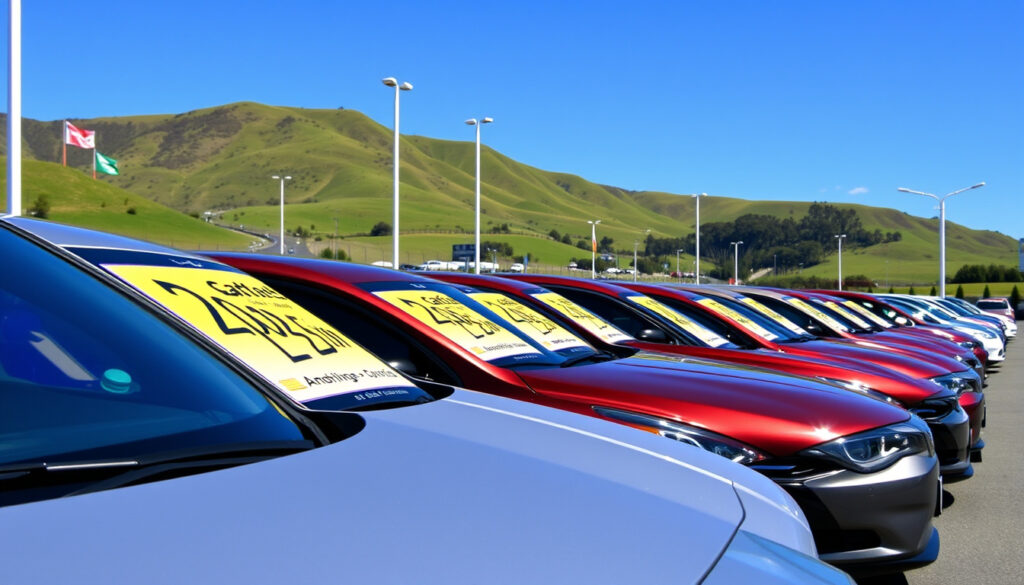
Buying a Car NZ – Step-by-Step Guide Costs 2025
Buying a car in New Zealand involves more than finding the right vehicle. From researching options and inspecting the car to completing the necessary paperwork and handling registration, the process requires attention to detail at every stage. Understanding the steps, costs, and legal requirements helps ensure a smooth purchase whether buying from a dealer or a private seller.
New Zealand’s used car market is substantial, with many vehicles imported from Japan. The Consumer Information Notice (CIN) provides essential details about each vehicle, including make, model, year, odometer reading, VIN, and GST-inclusive price. Both buyers and sellers must notify the New Zealand Transport Agency (NZTA) within seven days of ownership transfer.
This guide covers everything from initial research to final registration, including cost estimates for 2025 and practical tips for making an informed decision.
What are the steps to buying a car in NZ?
The car buying process in New Zealand follows a clear sequence of steps. Setting a realistic budget forms the foundation, accounting for the purchase price plus ongoing costs like registration, Warrant of Fitness (WoF), insurance, fuel, and maintenance. Financial advisors often recommend budgeting 10-15% of gross annual income for total vehicle expenses.
Research and vehicle selection
Using RightCar.govt.nz helps filter vehicles by safety rating, fuel type, economy, and licensing costs. This government resource provides independent data to compare different makes and models before visiting dealers or viewing private listings.
Vehicle inspection and history checks
Verifying the vehicle’s history protects against costly mistakes. Checking the CIN for details on odometer, VIN, chassis number, and any recorded import damage or securities is essential. A pre-purchase inspection at VTNZ or through a qualified mechanic, typically around $200, identifies hidden issues with condition, safety, and mechanical performance.
Test drive and valuation
A test drive reveals how the vehicle handles and whether any warning signs appear. Obtaining a valuation report from AA or Redbook, priced at approximately $20, provides fair pricing based on year, kilometres, and condition. These reports show trade and private sale prices to strengthen negotiating positions.
Paperwork and ownership transfer
For private sales, sellers complete the MR13A form while buyers use the MR13B form, available through NZTA’s online portal or at NZ Post and AA branches. Dealers provide a Consumer Information Notice (CIN) detailing all vehicle specifics and must supply a signed sales agreement. Both parties must notify NZTA of the ownership change, which can be completed online or through an agent.
Registration and insurance
After completing the purchase, registering the vehicle within seven days is a legal requirement. Comprehensive insurance is strongly recommended, particularly for first-time buyers, to protect against accidents, theft, and unforeseen repair costs.
| Step | Action Required | Key Consideration |
|---|---|---|
| 1 | Research vehicles | Use RightCar.govt.nz for safety and fuel data |
| 2 | Check vehicle history | Verify WoF, VIN, and odometer; get pre-purchase inspection |
| 3 | Test drive and negotiate | Obtain valuation report for fair pricing |
| 4 | Review paperwork | Complete MR13A/MR13B forms or receive CIN from dealer |
| 5 | Transfer ownership | Notify NZTA within 7 days |
| 6 | Insure the vehicle | Comprehensive cover recommended |
Before completing any purchase, confirm the following documents are available: current Warrant of Fitness (less than one month old), service history records, CIN from dealers, MR13A/B forms for private sales, and identification for both parties. Missing documentation can indicate problems with the vehicle.
- Set a budget covering purchase price and ongoing costs before beginning your search
- Always verify the Warrant of Fitness expiry date and request a pre-purchase inspection
- Obtain a vehicle valuation report to confirm the asking price reflects market value
- Check for any written-off status through NZTA or AA before committing
- Notify NZTA of ownership transfer within seven days of purchase
- Factor in comprehensive insurance costs when calculating total affordability
- Research reliable brands including Toyota, Mazda, Nissan, Hyundai, and Kia
What costs are involved in buying a car in NZ?
Understanding the full cost of buying a car extends beyond the purchase price. Several mandatory fees and optional but advisable expenses apply to every transaction, whether new or used, dealer or private sale.
One-time purchase costs
Registration for 12 months costs approximately $147.24, though this varies depending on vehicle type and engine size. The Warrant of Fitness inspection ranges from $30-60, with vehicles over six years old requiring six-monthly checks. A pre-purchase mechanical inspection costs around $200 when conducted at VTNZ or a qualified mechanic.
Additional fees to consider
Valuation reports from AA or Redbook run approximately $20 and provide useful negotiation leverage. GST at the standard rate of 15% applies to all vehicle purchases and is included in the advertised CIN price from dealers. Private sales between individuals do not incur additional GST beyond the purchase price agreed.
Ongoing expenses
Fuel costs in New Zealand tend to be higher than in many other countries. Road User Charges (RUC) apply to diesel vehicles and are calculated based on kilometres travelled. Maintenance, insurance, and potential financing charges round out the regular costs of ownership.
| Cost Item | Approximate Amount | Frequency |
|---|---|---|
| Registration (rego) | $147.24 | Annual |
| Warrant of Fitness | $30-60 | Annual or 6-monthly |
| Pre-purchase inspection | ~$200 | One-time |
| Valuation report | ~$20 | One-time |
| GST | 15% of price | One-time |
| Ownership transfer | $10.20 | One-time |
Industry guidance suggests allocating 10-15% of gross annual income for total vehicle costs. This includes purchase financing, registration, insurance, fuel, and maintenance. Breaking down these costs beforehand prevents financial strain after the purchase.
Private sales may offer lower upfront prices but lack the warranties and protections dealers provide. Dealers add value through pre-sale inspections, included warranties, and financing options, though the total cost reflects these benefits.
How do I buy a used car safely in New Zealand?
Used cars represent the majority of transactions in New Zealand’s vehicle market. Given that many originate from Japan, thorough verification before purchase protects buyers from expensive problems down the road.
Essential vehicle checks
The VIN and chassis number should match exactly across all documentation, including the CIN, registration papers, and physical vehicle. Cross-referencing these numbers confirms the car has not been stolen or illegally modified. Any discrepancy warrants immediate investigation before proceeding.
Written-off status verification
Checking whether a vehicle has been written off is critical. This information does not always appear on the CIN, so using NZTA or AA services directly provides the most reliable answer. A written-off vehicle may have structural damage or other issues that compromise safety, even if repairs have been completed.
Odometer accuracy
Comparing the odometer reading on the CIN against the physical display reveals potential tampering. Significantly lower readings than documented history suggests the kilometre count has been altered. Requesting service records and comparing against expected wear patterns adds another layer of verification.
Grade ratings for imported vehicles
Japanese import vehicles carry auction grades, with Grade 4 and above indicating better condition and typically higher value. Auction sheets provide detailed condition reports that informed buyers should review when available.
Purchasing from unverified private sellers without conducting proper checks leaves buyers vulnerable. Unlike dealers who provide warranties and consumer protections, private sales offer limited recourse if problems emerge after the transaction. Skipping inspections to save money frequently results in costly repairs.
Reliable brands showing strong resale value and mechanical durability include Toyota, Mazda, Nissan, Hyundai, and Kia. Vehicles with service history, recent WoF, and tyres in good condition demonstrate proper previous maintenance.
New car vs used car: which is better in NZ?
The choice between new and used vehicles depends on budget, priorities, and intended usage. Each option presents distinct advantages and considerations for New Zealand buyers.
Advantages of new vehicles
New cars come with full manufacturer warranties, the latest safety features, and improved fuel efficiency. They require no immediate repairs and often qualify for lower insurance premiums due to enhanced security systems. The peace of mind of knowing the complete history of a brand-new vehicle appeals to many buyers.
Advantages of used vehicles
Used cars cost significantly less upfront and experience slower initial depreciation. In New Zealand’s market, well-maintained Japanese imports under 100,000 kilometres offer excellent value. SUVs, hybrids, and seven-seaters remain in high demand, particularly for families and outdoor enthusiasts.
Key factors for decision making
Budget constraints often determine the practical choice. Comprehensive insurance is advisable for both new and used vehicles, though the premium difference can be substantial. Thoroughly researching market prices and comparing total cost of ownership helps identify which option delivers better value over the intended period of ownership.
RightCar.govt.nz provides independent safety ratings, fuel consumption data, and licensing cost comparisons for both new and used vehicles. Using this resource before visiting dealerships or viewing private sales ensures informed conversations and stronger negotiating positions.
What are car finance options in New Zealand?
Financing a car purchase requires understanding the available options and their total cost implications. Several pathways exist for buyers who prefer not to pay the full amount upfront.
Dealer financing
Many dealerships offer in-house financing with options including no deposit or low deposit requirements. These arrangements often accommodate buyers with less-than-perfect credit histories. The convenience of bundled warranties and ongoing service relationships adds value beyond the finance itself.
Bank and lender financing
Traditional banks and specialist lenders provide car loans with competitive interest rates for qualified borrowers. Comparing offers from multiple sources helps secure the most favourable terms. The Car Loan Calculator NZ – Get Accurate Repayment Estimates allows prospective buyers to model different scenarios based on loan amount, term, and interest rate.
Budgeting with finance
When spreading payments over time, accounting for interest charges and any associated fees ensures the total cost remains manageable. Adding these expenses to ongoing registration, insurance, fuel, and maintenance costs prevents budget overruns. Finance arrangements should complement rather than strain overall household finances.
Comprehensive insurance remains essential regardless of financing method, protecting both the buyer’s investment and any lender’s security interest in the vehicle.
How long does the car buying process take?
The timeline from initial research to driving a newly purchased vehicle typically spans one to four weeks, depending on how quickly each stage proceeds.
- Research phase: One to seven days researching vehicles, comparing prices, and narrowing down options using RightCar.govt.nz and marketplace listings.
- Inspection phase: Scheduling and completing vehicle inspections, including any pre-purchase mechanical assessment.
- Negotiation and agreement: One to three days negotiating price and agreeing on final terms with the seller.
- Paperwork completion: Completing CIN documentation from dealers or MR13A/MR13B forms for private sales.
- Ownership transfer: Submitting transfer notice to NZTA, typically completed online within the same day.
- Registration and insurance: Arranging comprehensive insurance and completing vehicle registration within seven days of purchase.
Dealers often expedite the process by handling paperwork and transfer directly. Private sales may require additional time to gather documentation and complete forms independently.
What is certain versus uncertain about buying a car in NZ?
Clear factual information exists alongside areas where buyers should exercise judgment and acknowledge limitations in available data.
| Established facts | Areas requiring caution |
|---|---|
| Legal requirement to transfer ownership within 7 days | Actual vehicle condition beyond documented inspection |
| Registration costs around $147.24 annually | Market prices fluctuate based on supply and demand |
| Pre-purchase inspection recommended before buying | Complete service history may not always be available |
| Written-off status check available through NZTA | Hidden damage may not appear on initial inspection |
| GST at 15% included in dealer prices | Future repair costs remain unpredictable |
| Dealers must provide CIN documentation | Private sale protections are limited |
The certainty of documented facts contrasts with the uncertainty of vehicle condition and market pricing. Thorough independent verification through inspections, reports, and official checks mitigates risks across all transactions, particularly private sales where recourse options are limited.
Understanding the New Zealand car market context
New Zealand’s geographic isolation shapes its vehicle market in distinctive ways. The heavy reliance on imported vehicles, particularly from Japan, means most cars on the road have significant international history. This importation pattern creates both opportunities and risks for buyers.
Economic factors including income levels and vehicle affordability influence purchasing decisions across the country. Urban centres like Auckland offer greater selection and dealer networks, while rural areas may rely more heavily on private sales and limited local options. These regional variations affect both availability and pricing.
Consumer protections embedded in New Zealand law, including the Consumer Guarantees Act, provide baseline rights regardless of where or how a vehicle is purchased. The CIN system specifically enhances transparency for dealer transactions, though buyers bear responsibility for understanding and exercising their rights.
Where to find reliable information and support
Several organisations provide authoritative guidance throughout the car buying process.
The NZ Transport Agency (Waka Kotahi) oversees vehicle registration, ownership transfer, and regulatory compliance. Their official website and physical offices provide essential forms, fee schedules, and procedural guidance for all transaction types.
The AA offers valuation reports, pre-purchase inspections, and practical assistance with documentation. Their expertise in vehicle assessment helps buyers make informed decisions backed by independent analysis.
Consumer NZ advocates for buyer interests and provides educational resources about rights and protections. Their guidance complements official sources by focusing on consumer welfare throughout transactions.
Understanding your rights as a buyer and the seller’s obligations creates a foundation for fair dealings, whether purchasing from a dealer or private seller.
For those exploring transportation alternatives, Rental Cars Queenstown Airport – Prices Companies Booking Guide offers context on short-term versus long-term vehicle costs.
Summary and key takeaways
Buying a car in New Zealand requires methodical attention to research, documentation, and legal requirements. Setting a comprehensive budget that includes registration, inspections, insurance, and ongoing costs prevents financial surprises. Conducting thorough vehicle history checks through official channels and obtaining independent inspections protects against costly errors.
Dealers provide valuable protections through CIN documentation and warranties, while private sales may offer lower prices but require greater buyer diligence. Transferring ownership within seven days and arranging comprehensive insurance are non-negotiable legal requirements. Using resources like RightCar.govt.nz and AA reports ensures access to reliable data throughout the decision-making process.
Can I buy a car in New Zealand without a driver’s licence?
Yes, a driver’s licence is not required to purchase a vehicle. However, a valid licence is mandatory to drive the car legally on public roads. Overseas visitors should check permit requirements with NZTA before driving any vehicle.
What are the best places to buy a car in New Zealand?
TradeMe Motors is popular for private sales, offering wide selection and competitive pricing. Licensed dealers provide additional consumer protections, warranties, and financing options. RightCar.govt.nz serves as an excellent research resource before visiting any seller.
Can I import a car to New Zealand?
Yes, importing vehicles is common and regulated by NZTA. The process involves customs clearance, MPI biosecurity checks, and VIN verification. Dealers often handle imports professionally, ensuring compliance with New Zealand safety and emissions standards.
Do I pay GST when buying a car in NZ?
Yes, GST at 15% applies to all vehicle purchases. For dealer transactions, the GST-inclusive price appears on the Consumer Information Notice. Private sales between individuals involve negotiation of the total price without additional GST.
How much does car registration cost in New Zealand?
Annual registration costs approximately $147.24, though this varies slightly based on vehicle type and engine specifications. Registration must be renewed yearly and is required to legally operate a vehicle on public roads.
What is the ownership transfer process in NZ?
Both buyer and seller must notify NZTA of ownership changes within seven days of the transaction. This can be completed online through the NZTA website or at participating agents like NZ Post and AA branches, requiring identification and appropriate forms.
Are pre-purchase inspections worth the cost?
Pre-purchase inspections costing around $200 are strongly recommended regardless of whether buying from a dealer or private seller. These assessments identify mechanical issues, safety concerns, and potential problems not visible during a standard viewing, potentially saving thousands in unexpected repairs.
More related posts
 How to Glaze Donuts: Easy Recipes & Science Tips
 10000 Yen to NZD: Live Exchange Rate Converter Today
 When Is Easter 2026? Date, Good Friday & Why It Changes
 Christopher Mintz-Plasse: Superbad McLovin to Dragon Fame
 Animals Starting with U – Habitats, Facts and Species Guide
 Weeks in a Year: Exact Number, 53-Week Years & 56 Myth
 Rental Cars Queenstown Airport – Prices Companies Booking Guide
 Hole in the Rock Cruise: What to See, Is It Worth It & Tips