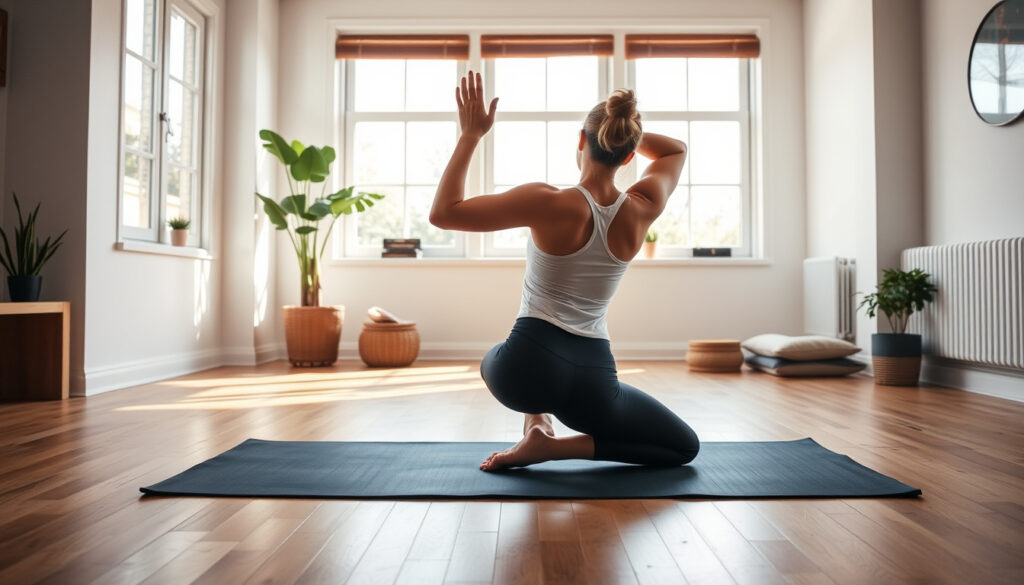
Beste Übungen für Rücken – Relieve Pain Without Equipment
Lower back pain affects millions of people worldwide, and structured bodyweight exercises remain one of the most evidence-supported interventions for relief and prevention. Research from the Mayo Clinic and physiotherapy guidelines consistently highlights specific movements that target spinal stability, muscular endurance, and lumbar mobility without requiring any equipment. This guide presents the most effective no-equipment back exercises, complete with beginner modifications, progression timelines, and practical tips drawn from credible medical sources.
Whether you are dealing with occasional discomfort or working to prevent future episodes, the exercises outlined below can be performed in under 15 minutes at home. They focus on activating the posterior chain, engaging the core stabilizers, and improving spinal alignment through controlled, low-impact movements.
What Are the Best Exercises for the Back?
The strongest evidence supports five primary movements for back health: bird-dog, glute bridge, cat-cow, superman, and posterior pelvic tilts. Each addresses a different component of spinal function, from mobility to deep stabilizers.
The following four exercises form the foundation of most physiotherapy-backed back routines and are suitable for complete beginners:
- Top Exercise: Superman holds — targets the entire posterior chain including lumbar erectors.
- Best for Pain Relief: Cat-cow pose — improves lumbar flexibility and reduces stiffness.
- Strength Builder: Modified deadlifts (posterior pelvic tilt) — reinforces neutral spine positioning.
- Daily Duration: 10–15 minutes — recommended by the Mayo Clinic for daily practice.
Bird-Dog
Start on all fours with hands directly under shoulders and knees beneath the hips. Extend one arm forward while simultaneously extending the opposite leg backward. Keep the hips level and the core engaged. Hold for 5–10 seconds, then alternate sides. This movement strengthens the spinal erectors, abdominal muscles, and glutes while training balance. Beginners should lift only the arm or leg separately before progressing to the full movement. Progression includes adding plank leg lifts or increasing hold time to 30 seconds.
Glute Bridge
Lie on your back with knees bent and feet flat, hip-width apart. Press through the heels and squeeze the glutes to lift the hips until your body forms a straight line from knees to shoulders. Hold for 5–30 seconds, then lower slowly, one vertebra at a time. The glute bridge targets the glutes, hamstrings, and lower back stabilizers. For beginners, short holds or single-leg preparation are recommended. Progression includes marching the knees alternately or performing single-leg bridges.
Cat-Cow (Cat-Camel)
Position yourself on all fours. On an exhale, arch the spine upward by tucking the chin and rounding the back (cat position). On an inhale, dip the spine downward while lifting the head and tailbone (cow position). Perform 5–10 cycles, moving in sync with your breath. This exercise improves lumbar flexibility and mobility. A seated version serves as an effective beginner modification. Progression can include adding bird-dog transitions between cycles.
Superman
Lie face down with arms extended overhead. Lift the chest, arms, and legs slightly off the floor by squeezing the back and glute muscles. Hold for 5 seconds, then lower slowly. The superman builds strength across the entire posterior chain. Beginners can lift only the arms and chest or perform reverse snow angels by sweeping the arms upward. Progression involves dolphin kicks (legs only) or adding pulses at the top of the movement.
Modified Deadlift (Posterior Pelvic Tilt)
Lie on your back with knees bent. Flatten the lower back toward the floor by tilting the pelvis, holding for 5 seconds. Alternatively, perform a standing good morning by hinging at the hips with a slight knee bend, keeping the back neutral and torso parallel to the floor. These movements mimic the deadlift pattern and strengthen the erectors and hamstrings. The floor-based pelvic tilt serves as a beginner modification, while standing good mornings with deeper hinges represent the progression.
| Exercise | Target Area | Reps / Hold | Difficulty |
|---|---|---|---|
| Bird-Dog | Core Stability | 10 per side × 3 sets | Beginner |
| Glute Bridge | Lower Back / Glutes | 15 reps × 3 sets | Easy |
| Cat-Cow | Spinal Mobility | 5–10 cycles | Beginner |
| Superman | Upper / Lower Back | 10–15 reps × 3 sets | Beginner |
| Pelvic Tilt | Neutral Spine | 5 reps × 5 seconds | Easy |
What Exercises Help with Back Pain?
Physiotherapy-backed routines consistently recommend targeted strengthening and mobility work for non-specific lower back pain. The American College of Physicians and the Mayo Clinic both note that movement outperforms prolonged rest for most types of back discomfort.
Why Movement Matters
Extended periods of inactivity can weaken the supporting musculature around the spine, leading to increased stiffness and pain. Structured exercises help restore function by improving blood flow, activating stabilizers, and reinforcing proper alignment. The National Health Service (NHS) notes that targeted back exercises are among the first-line interventions for chronic and recurrent back pain.
Exercises to Prioritize for Pain Relief
The cat-cow movement sequence is particularly effective for addressing morning stiffness and restricted range of motion. The rhythmic arching and dipping motion encourages synovial fluid circulation in the spinal joints and gently stretches the lumbar multifidus and erector spinae muscles.
Knee-to-chest stretches and side-lying rotations further support pain relief by reducing tension in the hip flexors and lumbar paraspinals. These movements can be performed after the core strengthening exercises as part of a cool-down routine.
Sharp or shooting pain during any movement is a signal to stop immediately. Individuals with persistent or worsening back pain should consult a healthcare professional before beginning any exercise program.
Exercises to Approach with Caution
High-impact movements such as deep squats, heavy deadlifts, and explosive twisting should be avoided in the early stages of rehabilitation. Push-ups, when performed with improper form (allowing the lower back to sag), can exacerbate discomfort. Focus on controlled, low-load movements before advancing to more demanding variations.
How Do You Train Your Back Effectively at Home?
A consistent home routine requires minimal space and no equipment. The key principles are controlled form, progressive overload, and regularity. The Harvard Health back exercise guidelines emphasize daily short sessions over sporadic intense workouts.
Beginner Home Workout (9–15 Minutes)
- Warm-up (2 minutes): Cat-cow (10 cycles) followed by gentle knee hugs and side-to-side knee rocking to mobilize the hips and spine.
- Strength Block (7 minutes): Bird-dog (8 repetitions per side), glute bridge (10 repetitions), and superman (8 repetitions). Rest 30–60 seconds between sets.
- Stretch and Cool-down (3–5 minutes): Posterior pelvic tilt (5 repetitions), lumbar rotations by rolling the knees side-to-side (5 repetitions per side), and knee-to-chest holds (2–3 repetitions per side).
Perform this routine once or twice daily, ideally in the morning and evening. The AAOS spine conditioning program recommends consistency over intensity, especially for those new to exercise.
Key Form Principles
Maintaining a neutral spine throughout all movements is critical. Rounding or overarching the back shifts load onto passive structures and can trigger discomfort. Engaging the core by drawing the navel slightly toward the spine provides automatic stability. Breathing should remain rhythmic — exhale during effort and inhale during release, never holding the breath.
Progressing Your Routine
After 1–2 weeks of pain-free practice, increase repetitions, hold times, or introduce unilateral variations such as single-leg bridges or armless superman holds. A sample progression timeline based on physiotherapy guidance includes:
- Weeks 1–2: Basic holds and lower repetitions for pain relief and motor learning.
- Weeks 3–4: Increased repetitions and holds to build strength in the posterior chain.
- Week 5 and beyond: Introduction of resistance bands or light weights for advanced loading.
Performing 10–15 minutes of targeted back exercises daily produces better long-term outcomes than occasional high-intensity sessions. The Mayo Clinic specifically notes that exercise outperforms rest alone for both prevention and relief of back pain.
How Long Does It Take for Back Exercises to Work?
Individual response varies based on the severity and cause of back pain, exercise adherence, and overall physical condition. However, physiotherapy research and clinical observations suggest general timelines for measurable improvements.
Realistic Expectations
Most beginners notice reduced stiffness and improved mobility within 2–3 weeks of consistent practice. Pain reduction often follows the same pattern, particularly when exercises are performed daily. Studies referenced in physiotherapy literature indicate that a high percentage of individuals with non-specific lower back pain experience meaningful improvement within 4–6 weeks of beginning a structured exercise program.
Long-term benefits, including improved postural tolerance and reduced recurrence rates, typically develop over 8–12 weeks of regular training. Combining exercise with ergonomic adjustments and healthy movement habits accelerates and sustains these gains.
Variables That Influence Results
Age, baseline fitness level, the specific nature of the back issue, and adherence to proper form all play roles in determining how quickly results appear. Those with chronic or structural conditions may require longer timelines and should involve a healthcare provider in their exercise planning.
When to Seek Professional Help
If pain persists beyond 4–6 weeks of consistent exercise or worsens at any point, a consultation with a physiotherapist or physician is advisable. The NHS guidance on back pain recommends professional assessment for pain that is severe, unexplained, or accompanied by numbness, tingling, or weakness in the legs.
Understanding What Is Established and What Remains Unclear
Physiotherapy-backed evidence consistently supports the effectiveness of bird-dog, glute bridges, cat-cow, and superman exercises for non-specific lower back pain. Controlled, daily practice with proper form reliably improves function and reduces discomfort in most individuals. The Mayo Clinic, AAOS, and NHS all recommend these exercises as first-line interventions.
| Established Information | Information That Remains Unclear |
|---|---|
| Daily 10–15 minute routines improve function | Optimal frequency for elite athletes |
| Core and glute activation reduces pain | Long-term structural changes from bodyweight exercise alone |
| Neutral spine mechanics protect the lumbar region | Exact contribution of each exercise to specific conditions |
| Controlled form prevents flare-ups | Role of genetics in recovery timelines |
Common Mistakes and How to Avoid Them
Proper technique determines whether back exercises provide relief or exacerbate discomfort. Four errors appear frequently among beginners:
- Rounding or overarching the back: Maintain a neutral spine throughout each movement. Engaging the core by drawing the navel slightly toward the spine helps protect the lumbar vertebrae.
- Holding the breath: Synchronize breathing with movement. Exhale during effort and inhale during release. Holding breath increases intra-abdominal pressure and can strain the back.
- Progressing too quickly: Beginners should prioritize control and quality over repetition count. Rushing through sets or adding load prematurely often leads to flare-ups.
- Ignoring pain signals: Stop any exercise that produces sharp, shooting, or significantly increased discomfort. Mild muscle soreness is expected; sharp pain is not.
For additional context on lumbar stabilization principles, the Physio-Pedia guide on lumbar stabilization provides detailed explanations of the underlying mechanics.
Summary and Next Steps
The most effective back exercises require no equipment, can be performed at home in under 15 minutes, and are supported by decades of physiotherapy and medical research. Starting with bird-dog, glute bridge, cat-cow, and superman movements builds the foundational strength and mobility most people need. Consistent daily practice, attention to proper form, and a gradual progression model produce the best results over time. For those beginning their journey, starting with 1–2 exercises and adding movements as comfort allows helps prevent overload and supports sustainable progress.
If you found this guide useful, you may also enjoy exploring our step-by-step guide to Roblox redeem codes for gaming-related topics, or our overview of the best developmental gift ideas for one-year-olds for age-appropriate toy recommendations.
Frequently Asked Questions
How long does it take for back exercises to show results?
Most people notice reduced stiffness and improved mobility within 2–3 weeks of consistent daily practice. Meaningful pain reduction often follows within 4–6 weeks, depending on the severity of the condition and adherence to proper form.
Are push-ups good for the back?
Push-ups can strengthen the posterior chain when performed with proper form, keeping the body in a straight line and engaging the core. However, sagging through the lower back during the movement can strain the lumbar region, so form control is essential.
How often should I do back exercises?
Daily practice is recommended by the Mayo Clinic and physiotherapists, even if sessions are short. A 10–15 minute routine performed once or twice daily provides better cumulative benefits than sporadic longer workouts.
Can I do these exercises if I have chronic back pain?
Many individuals with chronic non-specific back pain benefit from these exercises. However, it is advisable to consult a healthcare professional before beginning any new exercise program if pain is persistent, severe, or accompanied by neurological symptoms.
Do I need equipment for back exercises at home?
No. The most effective back exercises — including bird-dog, glute bridge, cat-cow, and superman — rely entirely on bodyweight and require only a mat or firm surface. No weights, bands, or machines are necessary.
What is the best exercise for lower back pain?
Cat-cow is frequently cited as one of the best starting exercises for lower back pain due to its ability to improve lumbar flexibility and reduce stiffness. Glute bridges and bird-dog movements are equally important for building stabilizing strength in the region.
When should I stop exercising and see a doctor?
Stop exercising and seek professional guidance if you experience sharp or shooting pain, sudden weakness, numbness, or tingling in the legs, or if discomfort significantly worsens during or after exercise.
More related posts
 What day is Easter 2025? April 20, Good Friday, Easter Monday
 BPC 157 Side Effects: Risks, Safety and Research
 Stolen Girlfriends Club Hoodie: Meaning, Materials, and Where to Buy
 Hair Dryer Curly Hair – Best 2025 Picks for Frizz Control
 Air New Zealand Complaints: How to File & Escalate (2024 Guide)
 Mitre 10 Mega Rotorua: Store Info, Hours, Address & What to Know
 Real Madrid vs Benfica: Head-to-Head, Recent Result & Key Stats
 Rental Cars Queenstown Airport – Prices Companies Booking Guide