Te Aho o Te Kura Pounamu: Meaning, Purpose & Enrollment Guide
Te Aho o Te Kura Pounamu is New Zealand’s state-funded distance learning provider, operating since 1922 with roughly 28,000 students enrolled annually. The school serves learners across all age groups—from early childhood through adult education—offering flexible, remote programmes for those who cannot attend a physical school full-time.
Annual Students: ~28,000 ·
Principal: Te Rina Leonard ·
School Type: State Correspondence School ·
Authority: State ·
Education ID: 498
Quick snapshot
- Exact Tuition Administration Fee amounts not published in policy documents (Te Kura Enrolment Terms)
- Current principal tenure and leadership review history (Te Kura Our People)
- Specific 2026 subject catalogue details (Te Kura Official Website)
- 1922: Founded as The Correspondence School (Wikipedia)
- 2025-02-25: New enrolment policy took effect (Ministry of Education Policy)
- 2021-11-05: Last ERO review published (ERO Report)
- Ongoing delivery of distance programmes across NZ (Te Kura Official Website)
- Policy framework active as of February 2025 (Ministry of Education Policy)
- ERO review cycle continues (ERO Institution Page)
These attributes define the school’s official profile as recorded by educational authorities and reference sources.
| Attribute | Value |
|---|---|
| Full Name | Te Aho o Te Kura Pounamu |
| Former Name | The Correspondence School |
| Website | www.tekura.school.nz |
| Annual Enrollment | ~28,000 |
| Principal | Te Rina Leonard |
| School Type | Correspondence School |
What does ‘te aho o Te Kura pounamu’ mean?
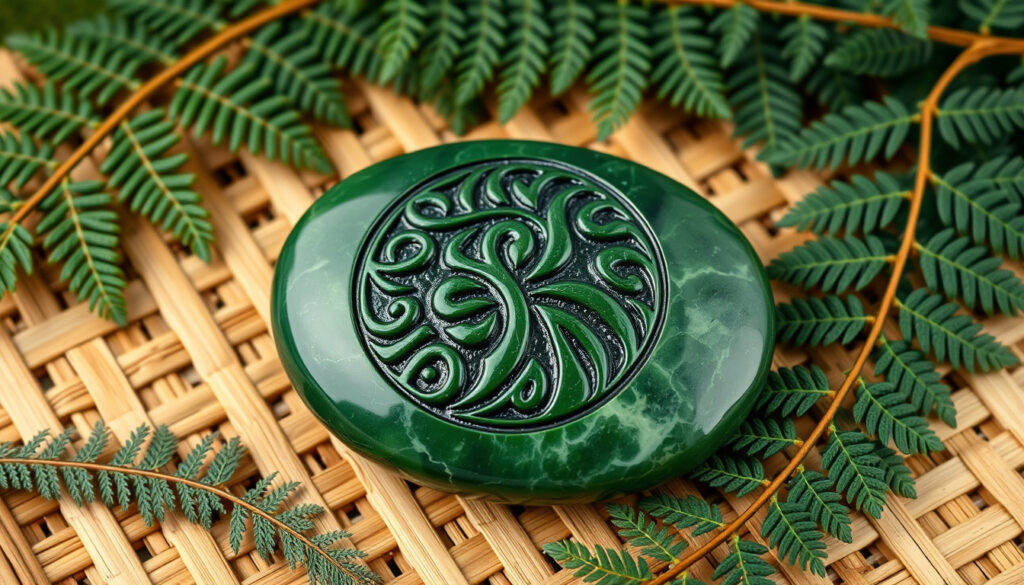
The name “Te Aho o Te Kura Pounamu” draws directly from te reo Māori, and understanding it unlocks the school’s identity. “Te Kura” translates to “the school,” while “Kura Pounamu” specifically means “greenstone school” — a reference to the precious stone traditionally valued by Māori. “Te Aho” means “the thread” or “the pathway.” Together, the full name roughly translates to “the pathway of the greenstone school,” a poetic image of learning as a journey toward something precious.
Breakdown of name components
Before 2012, the institution operated simply as “The Correspondence School,” a functional name that described its mode of delivery but lacked cultural connection. The name change reflected a broader movement within New Zealand education to embed Māori language and values into institutional identities. Today, the Māori name signals the school’s commitment to te ao Māori principles — celebrating learner identity, language, and cultural heritage as central to education.
Kura Pounamu meaning
Greenstone, or pounamu, holds deep significance in Māori culture — it is durable, valuable, and traditionally passed down through generations as an heirloom. By naming itself after this precious material, Te Kura frames education as something that gains worth over time, something worth protecting and passing on. The name choice is intentional: it positions the school not as a fallback option, but as a place where learning is treated as a taonga.
What is the purpose of Te Kura?
Te Aho o Te Kura Pounamu exists as New Zealand’s state-funded distance education provider, serving students who cannot attend a physical school full-time. The school is Ministry of Education funded and operates as the country’s largest school by annual enrollment, with roughly 28,000 students enrolled each year from early childhood through secondary levels (Wikipedia). Its purpose is to deliver personalised, flexible learning programmes that meet learners wherever they are — geographically, socially, or personally.
Learning wherever you are
The core value proposition is accessibility. Te Kura serves students across New Zealand’s diverse geography, from urban centres to remote rural areas. Learners who are travelling, unwell, pregnant, elite athletes, or simply in a location where their preferred subject isn’t available at a local school can access the same curriculum as any other New Zealand student. The school’s own website states that “learning happens wherever you are” — a direct reflection of this flexible mandate.
Personalised programmes
Unlike traditional schools where a fixed timetable dictates learning, Te Kura builds programmes around individual learner goals. Students work through materials at their own pace, with teacher support delivered remotely. The school offers early childhood education for under-6s, primary and secondary programmes, and adult learning pathways — making it genuinely a school for all ages.
Can anyone do Te Kura?
Eligibility for Te Kura is guided by the Enrolment and Dual Tuition Policy, which took effect on 25 February 2025 under the Education and Training Act (Ministry of Education Policy). While the school is open to a wide range of learners, access depends on age, enrolment type, and whether you meet government-funded criteria. It is not simply a matter of signing up — there are defined gateways.
Eligibility criteria
Full-time primary and secondary enrolment is available for students aged 5–19, with extensions possible up to age 21 with special funding approval. The young adult gateway covers students aged 16–19 who are not attending school full-time, provided they meet government-funded criteria — though they are ineligible if already enrolled in a Youth Guarantee programme or fees-free tertiary education. The adult gateway applies to learners aged 20 and over who are not attending school full-time; these students are government funded but must pay a Tuition Administration Fee, unless they are enrolled through the Department of Corrections.
Enrollment process
For NZ residents meeting funded criteria, there is no enrolment fee — the Ministry of Education covers the cost. For fee-paying students (those not meeting funded criteria), full tuition fees apply per course or programme, with payment required at enrolment or a half-year fee after 30 June. Students who withdraw within one month of approval receive an 80% refund of course fees. The minimum enrolment period is generally one term, with an educational profile required within six weeks of approval for certain gateways.
Overseas Kiwis can enrol if they departed New Zealand within 12 months and have prior residency of two or more years — but permanent emigrants are not eligible.
What is the age range for Te Kura?
Te Kura’s scope spans from early childhood to adulthood, making it one of the few New Zealand schools that genuinely serves all life stages of formal education. The school began with primary students in 1922 and gradually expanded — adding secondary education in 1928 and early childhood education in 1976 — to become the comprehensive institution it is today.
Year levels covered
Early childhood education is available for children under 6 years old. Primary enrolment covers Years 1–8, and secondary enrolment covers Years 9–13. The standard age range for full-time enrolment is 5–19 years, with the possibility of extensions to age 21 under special funding arrangements. Young adults aged 16–19 who are not attending school full-time can access the young adult gateway, and adults aged 20 and over can enrol through the adult gateway — though adults may face tuition administration fees depending on their circumstances.
Who we serve
The school’s learners — known as ākonga — include home-educated children, students with health or mobility challenges, elite athletes and performers, young parents, and adults seeking NCEA qualifications or specific skill certification. The common thread is not age or circumstance but the need for flexible, remote learning options that a traditional school cannot provide.
Te Kura is the only state-funded provider covering this full age range remotely — no other NZ institution offers early childhood through secondary and adult learning under one distance-learning framework.
Does Te Kura cost?
This is where the question gets genuinely nuanced. Te Kura operates on a dual-track fee structure: government-funded enrolment for eligible students comes at no direct cost, while fee-paying enrolment requires tuition payment per course or programme. Understanding which track applies to you — or your child — is the key to answering the cost question accurately.
Fees structure
According to the official enrolment terms and conditions published by Te Kura, full-time and young adult students meeting Ministry of Education funded criteria pay no enrolment fee. Adult students aged 20 and over must pay a Tuition Administration Fee per course for all adult enrolments, payable in full at the time of enrolment and non-refundable once the enrolment process is complete. Fee-paying ākonga are charged tuition fees per course or programme, with full payment required at enrolment or a half-year fee structure after 30 June. For those who withdraw within one month of approval, an 80% refund of course fees applies.
Funding details
The Ministry of Education’s Enrolment and Dual Tuition Policy confirms that no enrolment fee is prescribed for government-funded students under Education and Training Act Section 69. Dual tuition for state schools is government funded with no prescribed fee, meaning students enrolled through a state school partnership pay nothing. However, fee-paying dual tuition applies to private schools, charter schools, and home-educated students — the fee is charged directly to the student or family. Home-educated students under 16 pay full fees, with a sliding scale applied based on birth month for those approaching their 16th birthday.
Exact Tuition Administration Fee dollar amounts are not published in the policy documents — families should contact Te Kura directly for current figures. Community sources suggest private distance school fees in New Zealand range from $3,000 to $23,000 annually, but these figures come from non-official sources and may not reflect Te Kura’s actual fee structure.
Programmes and Subjects for 2026
Te Kura’s curriculum covers the full New Zealand National Certificate of Educational Achievement (NCEA) suite at secondary level, alongside early childhood and primary programmes. For 2026, students can access a wide range of subjects including mathematics, sciences, languages (including te reo Māori), humanities, arts, and vocational courses. The school regularly reviews its subject catalogue, and specific 2026 offerings should be confirmed directly via the official website at www.tekura.school.nz.
How to Enrol in Te Kura
The enrolment process follows a clear pathway depending on your eligibility gateway. Here are the key steps based on the official policy framework:
- Step 1 — Check your eligibility: Determine whether you qualify for government-funded enrolment (aged 5–19 standard, or 16–19 young adult gateway, or 20+ adult gateway meeting criteria) or whether you will be a fee-paying student.
- Step 2 — Gather required information: You will need proof of identity, evidence of New Zealand residency or eligibility, and for certain gateways, confirmation that you are not enrolled in another school full-time.
- Step 3 — Submit your application: Applications are submitted through the official Te Kura website or enrolment portal. For overseas Kiwis, proof of departure date (within 12 months) and prior residency (2+ years) is required.
- Step 4 — Receive your educational profile: Once enrolled, you will work with a Te Kura teacher to develop your personalised learning plan within six weeks of approval.
Distance learning demands significant self-motivation. Families choosing Te Kura should be prepared for the independent study component — unlike a physical school, there is no daily face-to-face contact, and progress depends on consistent engagement with materials.
What the Reviews Say
Public reviews of Te Kura present a mixed picture, as is common for large institutions serving diverse learners. On SchoolParrot, a platform aggregating parent and student reviews, the school holds a rating of 2.8 based on 8 reviews and 59 answers answered. One positive review describes the school as “an awesome caring school” with teachers noted for their “kindness and patience, never letting an email go without response.” On the other end of the spectrum, Glassdoor reviews mention concerns about workplace culture, with some employees reporting bullying and mismanagement within the organisation.
An awesome caring school. I appreciate all the teachers’ efforts with us students and their kindness and patience, never letting an email go without response.
— Anonymous Student/Parent, SchoolParrot
Steady and sometimes repetitive work but extremely rewarding with who you helped.
— Anonymous Employee, Indeed
Positive reviews tend to focus on teacher responsiveness and flexibility — the things Te Kura does best as a distance provider. Negative reviews reflect internal management issues that may not directly impact student learning outcomes but are worth noting for families researching school culture.
Related reading: Māori Phrases Explained
Frequently asked questions
How do you enrol in Te Kura?
Enrolment is submitted through the official Te Kura website. Eligibility depends on your age, residency status, and whether you are already enrolled in another school. Government-funded students pay no fee; fee-paying students must pay tuition per course or programme at enrolment.
What programmes does Te Aho o Te Kura Pounamu offer?
Te Kura offers early childhood education (under 6 years), primary programmes (Years 1–8), secondary programmes leading to NCEA (Years 9–13), and adult learning pathways. Programmes are delivered remotely with teacher support.
Who is the principal of Te Kura?
The current principal is Te Rina Leonard, as listed in the official school records. The senior leadership team also includes a Chief Executive, Deputy Chief Executives, a Chief Advisor, and Chief Officers across various operational areas.
What are the Te Kura term dates for 2026?
Specific 2026 term dates are not published in the available policy documents. Families should consult the official Te Kura website at www.tekura.school.nz for the most current academic calendar.
Are there fees for Te Kura online school?
Government-funded students (full-time primary/secondary aged 5–19, or young adults 16–19 meeting criteria) pay no enrolment fee. Adult students aged 20+ must pay a Tuition Administration Fee per course, non-refundable after enrolment completion. Fee-paying students are charged tuition fees per course or programme.
What subjects are available at Te Kura in 2026?
Te Kura offers a full NCEA curriculum including mathematics, sciences, languages (te reo Māori and others), humanities, arts, and vocational subjects. The specific 2026 subject catalogue should be confirmed on the official Te Kura website.
Is Te Kura available in Hamilton?
Te Kura is a state distance school serving students throughout New Zealand — there is no physical campus in Hamilton or any other city. All learning is delivered remotely, meaning students from Hamilton (or any location) access the same programmes and teacher support regardless of their location.
For New Zealand families navigating distance education options, the choice is increasingly clear: Te Kura provides a government-funded pathway for eligible learners at no direct cost, with the flexibility to learn anywhere in the country. For those who do not qualify for funded enrolment, the financial commitment must be weighed against the personalised support and curriculum access offered. Either way, with nearly a century of operational history and an active policy framework as of February 2025, Te Kura remains the foundational option for remote learning in New Zealand.
Families who verify their eligibility against the Ministry of Education’s 2025 policy framework will discover whether they qualify for cost-free enrolment or need to budget for tuition administration fees.
More related posts
 How Many Weeks Till Christmas 2025 – Countdown Explained
 Kids Ride on Car: 12V vs 24V, Age, Safety, Top Picks in Ireland
 The Salt Path (Film) Showtimes – UK, US & Australia Guide
 H&M Christchurch – Locations, Hours and Contact
 TVNZ On Demand: Access, Troubleshoot, Compare TVNZ+ (Free Guide)
 Flights from Auckland to Perth – Direct Schedules, Airlines & Prices
 Black Hawk Sen itive Skin & Gut: Be t Dog Food for Allergie ?
 Pacific Radiology Price List: CT, MRI & Scan Costs NZ