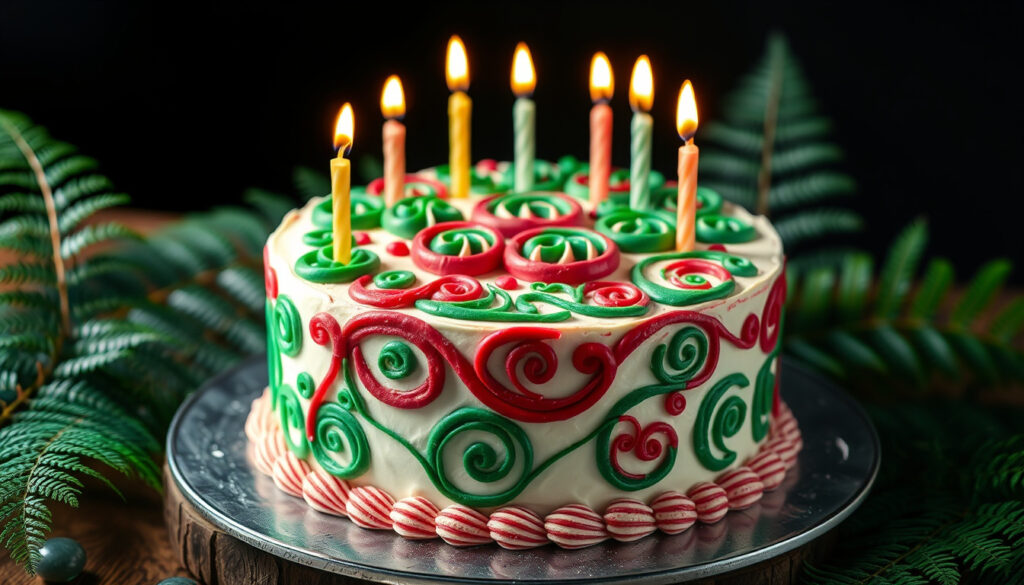
Hari Huritau Ki A Koe Meaning: Happy Birthday in Māori
If you’ve ever heard a crowd in Aotearoa New Zealand sing “Happy Birthday” and wondered why it sounded different, there’s a good chance it was Māori. The phrase “Hari huritau ki a koe” has become a staple at New Zealand birthday parties, classrooms, and community gatherings.
Primary Phrase: Hari huritau ki a koe · English Meaning: Happy birthday to you · Alternative Phrase: Rā whānau ki a koe · Dictionary Source: Te Aka Māori Dictionary · Common Variation: Hari huritau e hoa
Quick snapshot
- “Hari huritau ki a koe” translates to “happy birthday to you” (Te Aka Māori Dictionary)
- Whether pronunciation varies significantly across different iwi (Māori tribal groups)
- “Rā whānau” appeared in King’s Birthday records on June 3, 1927 (Te Aka Māori Dictionary)
- Te Reo Māori revival efforts continue spreading birthday phrases in schools and communities across New Zealand
The table below consolidates essential facts about this widely used Māori birthday expression.
| Label | Value |
|---|---|
| Language | Māori |
| Direct Translation | Happy birthday to you |
| Song Lyrics Snippet | Hari huritau ki a koe, hari huritau ki a koe |
| Top Source | maoridictionary.co.nz |
What does Hari Huritau ki a koe mean?
The phrase “Hari huritau ki a koe” directly translates to “happy birthday to you” in English. The Te Aka Māori Dictionary (New Zealand’s authoritative Māori language resource) officially defines “hari huritau” as “happy birthday.”
Breaking the phrase word by word reveals its layered meaning: “Hari” means happy or joy, while “Huritau” combines “huri” (turn) and “tau” (year) to convey the concept of a birthday or year-turning day. “Ki a koe” simply means “to you” (WordHippo dictionary, MOA THAN WORDS language blog). So at its core, the phrase essentially wishes someone a “happy turning of the year.”
Translation from Te Aka Māori Dictionary
The Te Aka Māori Dictionary provides a complete example in context: “Hari huritau ki a koe, hari huritau ki a koe, hari huritau ki a Pānia. Hari huritau ki a koe.” Here, “Pānia” serves as the birthday person’s name in the third line, just like “Mary” or “John” would appear in the English version.
Usage in birthday songs
“Hari huritau ki a koe” forms the chorus of the Māori birthday song. The melody follows the familiar English tune, making it easy for anyone to join in (YouTube – Hono Collective performance). The full song structure places the birthday person’s name in the third line after two repetitions of the main phrase.
Understanding the word-by-word breakdown helps you remember the phrase longer and pronounce it more naturally. Once you know that “huri” means “turn” and “tau” means “year,” the word “huritau” clicks into place on its own.
The implication is that Māori birthday greetings encode cultural concepts of cyclical time rather than simply translating the English wish.
What does Rā Whānau ki a koe mean?
“Rā Whānau ki a koe” offers an alternative way to say “happy birthday” in Māori, with a subtly different cultural emphasis. MOA THAN WORDS language blog describes it as roughly meaning “Born Day to you.”
Here, “Rā” means day or sun, while “Whānau” means born. Combined, “Rā Whānau” literally translates to “Born Day” (MOA THAN WORDS language blog). The phrase shows up in Te Aka Māori Dictionary historical records dating back to June 3, 1927, where it appeared in King’s Birthday honors documentation.
Literal translation
Where “Hari huritau” celebrates the passage of another year, “Rā Whānau” zeroes in on the original birth event. Both are correct and widely used in New Zealand today (Ling App language resource). Neither phrase is more formal than the other—choose whichever feels right for the moment.
Comparison to Hari huritau
The key difference lies in emphasis: “Hari huritau” frames a birthday as celebrating life’s cycles, while “Rā Whānau” highlights the miracle of birth itself. Neither phrasing varies regionally across New Zealand iwi according to available sources.
How to wish a happy birthday in Māori?
There are several practical ways to wish someone a happy birthday in Māori, depending on your relationship with the person and the setting. “Hari huritau ki a koe” works as a straightforward birthday greeting for anyone you want to celebrate.
For friends and casual contexts, “Hari huritau e hoa” adds a warm, familiar tone. The word “e hoa” means “friend” and makes the greeting feel more personal. For two people, use “Hari huritau ki a kōrua” (MOA THAN WORDS language blog). You can also layer in a blessing like “Kia pai tō rā whānau!” meaning “Have a good birthday!” for extra warmth.
Basic phrases
- Hari huritau ki a koe – Happy birthday to you
- Rā whānau ki a koe – Birthday to you
- Kia pai tō rā whānau! – Have a good birthday!
- Mauri ora – Wishing you well / good health
Variations for friends and groups
Birthday vocabulary worth knowing: “keke” (cake), “kānara” (candle), “koha” (gift), and “pāti” (party) (MOA THAN WORDS language blog). Combine these with your greeting for a richer birthday wish in te reo Māori.
MOA THAN WORDS language blog
It’s te reo Māori – of course there is more than one way to say: ‘Happy Birthday!’
The pattern here reflects how te reo Māori embraces multiple valid expressions for the same sentiment.
How do New Zealanders say happy birthday?
New Zealand birthday celebrations often blend English and Māori traditions. The English “Happy Birthday” melody typically accompanies Māori lyrics, and greetings in te reo Māori appear alongside English wishes on cakes, cards, and social media posts.
In the 2020s, Aotearoa’s Te Reo Māori revival has pushed these phrases into everyday use. Schools teach children birthday songs in Māori, and community events routinely feature “Hari huritau ki a koe” sung in groups. The Ling App language resource confirms that both standard phrases are now common across New Zealand households of all backgrounds.
Māori influences in NZ culture
Te Reo Māori is an official language of New Zealand, and efforts to promote it have made birthday phrases more visible. Birthday cards with Māori greetings sell widely, and New Zealand’s government offices sometimes include te reo Māori birthday messages in internal communications. The language appears at marae gatherings, school assemblies, and family celebrations alike.
Common rituals
Traditional birthday customs blend contemporary celebration with cultural elements. Food at Māori birthday celebrations might include rewena bread or hangi, while language elements like “Hari huritau ki a koe” add cultural resonance. Families increasingly incorporate te reo Māori greetings as part of their celebration traditions.
New Zealanders of all backgrounds now use “Hari huritau ki a koe” regularly. It’s no longer confined to Māori-speaking families—it’s become part of the broader New Zealand birthday vernacular. If you’re learning te reo Māori, a birthday greeting is one of the most practical phrases you can master first.
How to pronounce Hari Huritau ki a koe?
Māori vowels follow roughly English-like sounds, which makes pronunciation more accessible for English speakers. In “Hari,” the “a” sounds like the “a” in “father,” and the “i” sounds like the “ee” in “see.” The “i” in “ki” also sounds like “ee.” In “a koe,” the “e” sounds like the “e” in “bed.”
The Te Aka Māori Dictionary example sentence provides the standard pronunciation pattern you can hear in song form. Listening to the chorus from YouTube performances by the Hono Collective featuring Hikuwai Te Nahu gives you the natural intonation for singing.
Phonetic guide
- Hari = “HAH-ree”
- Huritau = “hoo-ree-TOW”
- Ki a koe = “kee ah KOY-eh”
- Full phrase = “hah-ree hoo-ree-tow kee ah koy-eh”
Song and audio resources
The Māori birthday song uses the same melody as the English version, which helps enormously. The basic song lyrics run: “Hari huritau ki a koe, Hari huritau ki a koe” (x2), then insert the name, then repeat the first line. YouTube channels featuring Māori language learners provide clear examples with on-screen lyrics.
Te Aka Māori Dictionary (Official Māori Dictionary)
Hari huritau ki a koe, hari huritau ki a koe, hari huritau ki a Pānia. Hari huritau ki a koe.
The catch is that while pronunciation feels approachable, consistent practice through singing accelerates fluency more than silent study.
How to use the phrase in real situations
Here’s how to actually use these birthday phrases in everyday New Zealand contexts. Learning pronunciation through song is valuable, but knowing when and how to deploy the phrases matters just as much.
Practical step-by-step guide
- Start with the basics: Text a quick “Hari huritau ki a koe!” to any friend or family member celebrating a birthday in New Zealand. They don’t need to speak Māori—this will brighten their day.
- Learn the song form: Look up the lyrics from the Te Aka Māori Dictionary and practice the familiar melody. Sing it at the next birthday party you attend where te reo Māori might be welcome.
- Add birthday vocabulary: Sprinkle in words like “keke” (cake), “kānara” (candle), and “koha” (gift) to show deeper cultural engagement. “Kia pai tō keke rā whānau!” means “Enjoy your birthday cake!”
- Try alternatives: Once comfortable with “Hari huritau ki a koe,” experiment with “Rā whānau ki a koe” or “Mauri ora” for variety. Each carries its own warmth.
- Practice in context: Watch YouTube performances by the Hono Collective featuring Hikuwai Te Nahu to absorb natural usage patterns.
You might feel self-conscious pronouncing te reo Māori at first—that’s normal. But New Zealanders tend to be encouraging of anyone attempting the language, especially for something as universal as a birthday wish. The social reward of a genuine attempt outweighs the small awkwardness of imperfect pronunciation.
Other Māori birthday phrases to know
Beyond the two main phrases, several other birthday-related expressions exist in te reo Māori. These offer alternatives when you want to vary your greetings or add specific blessings.
MOA THAN WORDS language blog documents additional phrases: “Mauri ora” (wishing someone good health and vitality), “Rā tupu” (Growth Day), and “Huritau oaoa” (Happy Birthday as a variant). “Rā huritau” also appears as another noun form for birthday itself.
“Mauri ora” deserves special mention. It means “be well, be healthy, be alive” and functions both as a birthday greeting and a general blessing. In traditional Māori culture, “mauri” represents the life force or vital essence, and “ora” means health and wellbeing. Using “Mauri ora” at a birthday connects the celebration to broader concepts of flourishing and holistic wellness.
MOA THAN WORDS language blog
Rā Whānau is kind of like saying ‘Born Day.’
Upsides
- Easy to pronounce for English speakers
- Song melody matches familiar English tune
- Multiple phrase options for different contexts
- Growing acceptance and use across NZ
Downsides
- Regional iwi pronunciation variations unclear
- Limited audio resources from tier 1 sources
- Some variants harder to find in dictionaries
What this means is that while the language offers rich alternatives, practical access to authoritative learning materials remains uneven across phrase variants.
Related reading: 1 Year Old Birthday Present Ideas
Alongside birthday phrases like hari huritau ki a koe, the nau mai haere mai welcome warmly invites visitors into Māori gatherings and events.
Frequently asked questions
What is the difference between Hari huritau and Rā whānau?
“Hari huritau” literally means “happy turning of the year,” while “Rā whānau” means “born day.” Both translate to “happy birthday” in English, but they frame the celebration differently. The first emphasizes the annual cycle; the second highlights the birth event. Both are correct and commonly used in New Zealand.
Is there a Māori birthday song?
Yes. “Hari huritau ki a koe” forms the chorus of the Māori birthday song. The lyrics are: “Hari huritau ki a koe, Hari huritau ki a koe, Hari huritau ki a [Name], Hari huritau ki a koe.” The melody matches the familiar English tune. YouTube performances by the Hono Collective featuring Hikuwai Te Nahu show the song in action, and resources from Te Aka Māori Dictionary and MOA THAN WORDS language blog provide official lyrics.
How to respond to Hari Huritau ki a koe?
Simply say “thank you” or “Kia ora” (be well) when someone wishes you “Hari huritau ki a koe.” You can also reciprocate with the same phrase if you know their birthday is coming. The response doesn’t require formal rules—warm acknowledgment is what matters.
What does Hari huritau e hoa mean?
“Hari huritau e hoa” means “happy birthday, friend.” The word “e hoa” means “friend” and makes the greeting more casual and personal. Compare this to the more formal “ki a koe” (to you), which works for anyone. Both appear in Te Aka Māori Dictionary examples.
Are there Māori birthday blessings?
“Mauri ora” is the closest equivalent to a birthday blessing. It means “wishing you life, health, and vitality.” The phrase draws from traditional Māori concepts where “mauri” represents the life force and “ora” means wellbeing. It’s commonly used alongside birthday wishes in modern Aotearoa New Zealand.
How is happy birthday celebrated in New Zealand Māori culture?
Māori birthday celebrations blend traditional and contemporary elements. Traditional practices might include pōwhiri (welcome ceremonies), kapa haka performances, and communal feasting with foods like rewena bread and hangi. Language elements like “Hari huritau ki a koe” are woven into modern celebrations. As te reo Māori revival continues, these cultural birthday traditions grow more common across New Zealand.
Can Hari huritau be used for groups?
Yes. The same pronunciation guides apply for group greetings. Adjust the pronoun for the number of people: “ki a koe” (to you, singular), “ki a kōrua” (to you two), and for groups, the context usually makes the meaning clear even without changing the pronoun. Focus on clear pronunciation and enthusiastic delivery rather than worrying about grammatical refinements.
For anyone learning te reo Māori in Aotearoa New Zealand, mastering a birthday greeting is one of the most practical first steps. “Hari huritau ki a koe” works in text messages, social media posts, spoken greetings, and group singing. The phrase connects you to New Zealand’s indigenous language and the cultural warmth behind birthday wishes in this part of the world.
Start small—text the phrase to someone you know celebrating a birthday in New Zealand. Then build from there: learn the song form, add birthday vocabulary, try the alternative “Rā whānau ki a koe” or the blessing “Mauri ora.” The Te Aka Māori Dictionary and resources from MOA THAN WORDS language blog give you everything you need to get started. The effort matters more than perfection—Māori speakers appreciate anyone who tries, and a heartfelt “Hari huritau ki a koe” will always be received with warmth.
More related posts
 Māori God of War Tūmatauenga: Mythology, Role & Meaning
 New Zealand SIM Card Guide: Best Options for Tourists
 New Balance 860 Men’s: Stability, Comfort vs 880, 1080
 Is Matariki a Public Holiday in NZ? Dates, Meaning & 2026
 Free Solitaire Card Games: Play Online & Download
 Dental Assistant Jobs Auckland: Salary, Part-Time, No Experience
 Quid Pro Quo Meaning: Literal Translation, Legal Use, Examples
 $100 USD to NZD: Live Exchange Rate & Converter Today