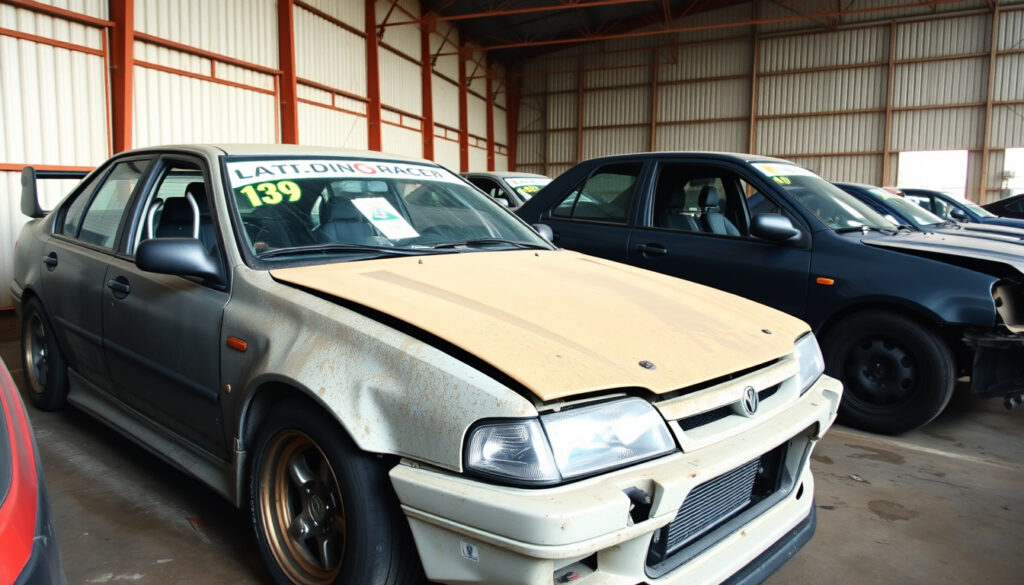
Levin Boy Racer Impounded Cars Sale: Legal Loophole
When a massive boy racer gathering descended on Levin on June 5, 2025, the aftermath took a surprising turn: impounded cars started appearing for sale on Facebook Marketplace. Nine vehicles were seized, 15 people were arrested, and one driver even listed his own impound papers for $750.
Cars impounded: 9 · Arrests made: 15 · Ford Falcon listed price: $750 · Impound release fee: $500 · Date of Levin invasion: June 5, 2025
Quick snapshot
- Legality of selling impound papers remains unclear (1News)
- How many impounded cars were actually sold unknown (1News)
- Whether police will amend policies to prevent resale (1News)
- June 5 evening: 200-vehicle gathering, man struck by burnout car (1News)
- June 5 night: Police impound 9 cars, arrest 15 (1News)
- June 5-6: Impounded cars appear on Facebook Marketplace (NZ Herald)
- Police investigation phase ongoing, more charges expected (1News)
- Government announced tougher penalties for boy racers (1News)
- Legal grey area around impound paper sales may prompt policy review (1News)
Seven key facts from the Levin incident, one pattern: the impound process is being exploited as a backdoor marketplace.
| Item | Value |
|---|---|
| Date of incident | |
| Location | Levin, New Zealand |
| Cars impounded | 9 |
| Arrests | 15 |
| Vehicle listed for sale | Ford Falcon (2004 model) |
| Listed price | $750 |
| Impound fee | $500 |
What happened during the Levin boy racer invasion?
The pattern: a single night of burnouts triggered a chain of legal loopholes that turned police impound lots into an informal used-car market.
How many vehicles were involved?
On the evening of June 5, 2025, an estimated 200 vehicles gathered in Levin for what participants called the “Levin invasion.” The event quickly escalated: a man was struck by a car performing a burnout, leading to a police response that involved dozens of officers. According to 1News, nine cars were impounded and 15 people were arrested that night. The driver of the burnout car was charged and later expressed regret, writing apology letters to those affected.
What led to the police response?
Police had been monitoring the gathering after previous incidents. 1News reported that earlier in the same week, a separate Levin boy racer event had resulted in injuries to police and spectators, with 10 people arrested. The June 5 event pushed the situation over the edge. Police confirmed they had initiated an investigation phase and expected further charges and possibly more vehicle impoundments.
The Levin invasion isn’t an isolated incident — it’s part of a pattern where boy racer meets in New Zealand draw crowds of hundreds, overwhelm local police, and leave a trail of damaged vehicles, injured bystanders, and legal loose ends.
Why are impounded cars being sold on Facebook?
The mechanism is simple but legally untested: owners transfer the right to claim their impounded car instead of paying to retrieve it themselves.
What is the process of selling impound papers?
Within days of the event, impounded vehicles appeared on Facebook Marketplace. The seller didn’t list the car itself — they listed the “impound papers,” meaning the buyer would get the right to claim the car from the impound lot after paying the required release fee. NZ Herald reported that buyers were told they would need to wait 28 days for the car to be released from impoundment. This method bypasses towing and storage costs for the seller while shifting the burden to the buyer.
How does Facebook facilitate these sales?
Facebook Marketplace allows peer-to-peer listings with minimal oversight. RNZ documented multiple listings: a modified Ford Falcon in Ōtaki featured an image of the driver doing burnouts, a Foxton listing noted the registration was on hold and the warrant of fitness had expired, and a Levin listing described the car as a “mean ski hack” and said it had recently been released from impound. The platform made it easy for sellers to reach a wide audience quickly.
Selling impound papers on Facebook may be a legal loophole, but it puts buyers at risk: they could inherit a vehicle with unpaid fines, expired registration, or mechanical problems — all without the usual protections of a dealer sale.
How much are the impounded cars listed for?
Pricing reveals the economics of the loophole: sellers offload their impound fees onto buyers while keeping cash upfront.
What was the price of the Ford Falcon?
The most prominent listing was a 2004 Ford Falcon, offered for $750 in exchange for the impound papers. NZ Herald confirmed the price required cash upfront, and the buyer would still need to pay the $500 impound release fee to the tow company. That brings the total cost to $1,250 — a cheap car, but one with a complicated history.
Are there other vehicles listed?
Other listings appeared in Foxton and Levin. RNZ noted that the Foxton car had its registration on hold and an expired warrant of fitness, while the Levin car was described as a “mean ski hack” — suggesting it had been used for recreational purposes. None of the listings included a guarantee of roadworthiness.
| Listing | Price | Impound fee | Total cost |
|---|---|---|---|
| Ford Falcon (Ōtaki) | $750 | $500 | $1,250 |
| Foxton car (registration on hold) | Not disclosed | $500 | Variable |
| Levin car (“mean ski hack”) | Not disclosed | $500 | Variable |
The pattern: every listing shifts the financial burden of impound fees from the owner to an unsuspecting buyer.
What are the legal consequences of selling impound papers?
The central question remains unanswered by authorities, creating uncertainty for both buyers and sellers.
Is selling impound papers legal?
Police have not commented on the legality of selling impound papers. 1News reported that the practice may be a loophole to avoid the costs of disposal — if the owner doesn’t reclaim the car, the impound lot can charge storage fees and eventually scrap it. By selling the papers, the original owner passes the financial risk to the buyer. Legal experts note that while the vehicle itself is still the property of the registered owner, transferring the right to claim it may create a contractual grey area.
What charges did the driver face?
The driver of the burnout car was charged over the incident. 1News reported that he said he was “very sorry” and had written apology letters to residents and businesses disrupted by the event. Beyond the burnout charge, the driver also listed his impounded Ford Falcon on Facebook — a move that police have not explicitly challenged, but which may come under scrutiny as the investigation continues.
How did the public and authorities respond to the Levin invasion?
The backlash was swift, but the policy response may take months to materialize.
What was the reaction on social media?
The event was widely shared on X (formerly Twitter) and Facebook, with videos of burnouts and the police response drawing thousands of views. NZ Herald noted that the term “Levin invasion” was used by participants and observers alike. Local residents expressed concern about safety, with some reporting that the noise and disruption lasted for hours.
What steps are police taking to prevent future incidents?
Police have increased patrols in the Levin area. 1News reported that the investigation phase is ongoing and further charges are expected. Meanwhile, the Government has announced tougher penalties for boy racers and fleeing drivers, with introduction targeted for mid-2025. 1News covered the announcement, which includes higher fines and longer impound periods. The implication: the Levin invasion may be a catalyst for policy change.
Timeline of events
- June 5, 2025 (evening) — 200-vehicle boy racer gathering in Levin; man struck by car doing burnout (1News)
- June 5, 2025 (night) — Police impound nine cars and arrest 15 people (1News)
- June 5-6, 2025 — Impounded vehicles appear on Facebook Marketplace for sale (NZ Herald)
- June 6, 2025 — Driver charged over burnout; expresses regret (1News)
- June 2025 — News outlets report on impound sale trend (RNZ)
What we know vs. what remains unclear
Confirmed facts
- Nine cars were impounded (1News)
- 15 arrests were made (1News)
- A Ford Falcon was listed for $750 with impound papers (NZ Herald)
- The driver of the burnout car was charged (1News)
- Police warned buyers to check cars for safety (1News)
What’s unclear
- Whether the sale of impound papers is legal (no police comment)
- How many impounded cars were actually sold
- If police will amend policies to prevent resale of impounded vehicles
- Whether buyers can obtain clear title for vehicles purchased this way
Voices from the Levin invasion
“I’m very sorry for my involvement. My car was impounded and I listed the impound papers for sale.”
— Driver charged over burnout, via 1News
“We have confirmed 15 arrests and nine impoundments. We have no comment on the legality of selling impound papers.”
— Police spokesperson, via 1News
“Cash sale in exchange for impound papers.”
— Facebook seller (unnamed), listing for Ford Falcon, via NZ Herald
The Levin invasion and the subsequent Facebook sales have exposed a gap in New Zealand’s vehicle impound system. For buyers, the chance to grab a cheap car comes with real risks — no title, no warranty, and a potential legal tangle. For police and policymakers, the loophole is clear: selling impound papers lets boy racers offload their vehicles without paying towing costs, while leaving buyers holding the bag. The Government’s planned crackdown on boy racers may need to address this specific workaround, or the cycle of impound-and-sell will continue. The residents of Levin need tighter enforcement to prevent more invasions.
Related reading: Impounded cars from Levin boy racer meet listed for sale on Facebook · Cars involved in violent Levin street race sold on Facebook Marketplace
southernscope.nz, rnz.co.nz, 1news.co.nz, 1news.co.nz, nzherald.co.nz
Frequently asked questions
Can you buy an impounded car from a boy racer event?
Yes, but it’s risky. Impounded cars from the Levin event were listed on Facebook Marketplace. Buyers must pay the impound release fee and wait 28 days, and the car may have expired registration or mechanical issues.
What happens to impounded cars after a police seizure?
Vehicles are taken to an impound lot. The owner can reclaim them after paying the release fee and any outstanding fines. If unclaimed, the vehicle may be scrapped or sold at auction.
Are there any legal risks in buying an impounded car?
Yes. The sale of impound papers may not transfer clear ownership. The buyer could inherit unpaid fines, outstanding warrants, or mechanical defects. Police advise checking the car’s history and condition before purchase.
How does the impound release process work?
The owner (or buyer with impound papers) must pay the release fee, typically around $500, and provide proof of ownership. The vehicle is then released after a 28-day hold period, as reported by NZ Herald.
Why would someone sell impound papers instead of the car?
Selling impound papers lets the owner avoid towing and storage fees while still getting some cash. The buyer takes on the cost and risk of reclaiming the vehicle.
What is the typical impound fee in New Zealand?
Impound fees vary by region and towing company, but the Levin event saw a $500 release fee. Additional storage fees may apply if the car is not claimed promptly.
Has this happened before in other New Zealand towns?
Similar impound sales have occurred after other boy racer events, but the Levin incident is notable for the scale (200 vehicles, 9 impounded) and the explicit listing of impound papers on Facebook.
More related posts
 Hari Huritau Ki A Koe Meaning: Happy Birthday in Māori
 One Sushi Lower Hutt: 590-Calorie Katsu Roll Guide
 Greater Than or Equal To (≥): Meaning, Examples & Typing
 Houses for Sale in Masterton: Listings, Prices & Agents
 Dyson Airwrap Coanda 2x: Is It Better Than the Original
 How to Glaze Donuts: Easy Recipes & Science Tips
 Houses for Sale Papamoa: 2025 Buyer’s Guide & Listings
 Asma al-Assad: Where is she now in 2025? Regime fall and exile