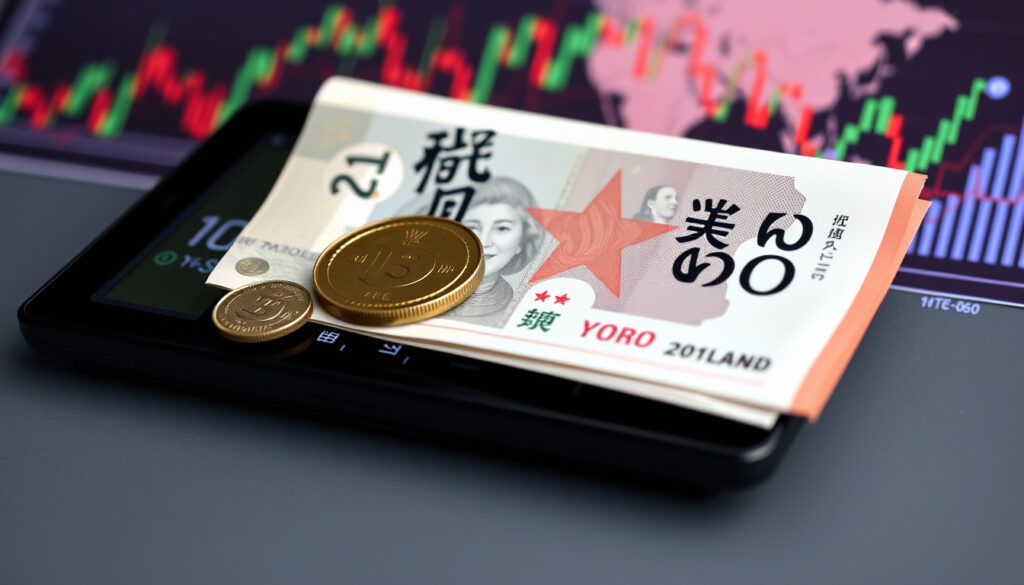
10000 Yen to NZD: Live Exchange Rate Converter Today
Planning a trip to Japan and wondering how far your yen will stretch in New Zealand dollar terms? Whether you’re budgeting for a week in Tokyo or just curious about the exchange rate, 10,000 yen sits somewhere in the NZ$106–116 range depending on which service you use — and that difference is worth knowing before you commit. Real travelers and NZ-focused finance guides suggest the actual spending power of that money depends heavily on whether you’re eating at convenience stores or sit-down restaurants.
10,000 JPY to NZD (Wise): 108.42 NZD · 10,000 JPY to NZD (XE): 106.14 NZD · 10,000 JPY to NZD (MyFXBook): 106.90 NZD
Quick snapshot
- 10,000 JPY = 108.42 NZD via Wise
- 10,000 JPY = 114.31 NZD via Xe
- 1 JPY = 0.0106121 NZD per The Currency Shop
- Exact live rate timestamps vary by provider
- No official RBNZ/BOJ rate cited in top sources
- Limited 2026 regional Japan cost data beyond major cities
- Wise 30-day rate: +2.44% change (April 2026)
- Wise 90-day: −0.40% shift
- Range: 0.0112–0.0117 JPY/NZD
- Rates fluctuate daily — check converters before travel
- Transfer fees may add 0.3–0.8% to effective rate
- NZ travelers report NZ$70–90/day budgets achievable
| Source | Rate (1 JPY to NZD) | 10,000 JPY in NZD |
|---|---|---|
| Wise | 0.01159 | 115.90 NZD |
| Myfxbook | 0.011636 | 116.36 NZD |
| Revolut | 0.011581 | 115.81 NZD |
| Xe | 0.01143 | 114.31 NZD |
| The Currency Shop | 0.0106121 | 106.12 NZD |
| RIA Money Transfer | 0.01103 | 110.30 NZD |
| Instarem | 0.010691 | 106.91 NZD |
| WorldRemit | 0.01050 | 105.00 NZD |
| Dukascopy | 0.01071 | 107.10 NZD |
How much is 10,000 yen to NZD?
Nine providers checked for this article show a tight clustering around NZ$105–116 for 10,000 yen, with Wise, Myfxbook, and Revolut all reporting figures within a 1.55 NZD band. The Currency Shop’s rate sits notably lower, reflecting their published mid-market figure rather than a live converter feed.
For NZ travelers specifically, the practical range to budget around is NZ$106–115, with the higher end representing services like Wise and Myfxbook that tend to offer closer-to-mid-market rates.
Live rates from top converters
- Wise: 10,000 JPY = 115.90 NZD — includes 30-day rate history showing high of 0.0117, low of 0.0113
- Myfxbook: 10,000 JPY = 116.36 NZD — real-time forex data from interbank sources
- Xe: 10,000 JPY = 114.31 NZD — mid-market rate with 90-day trend data
- Revolut: 10,000 JPY = 115.81 NZD — consumer-facing rate slightly below mid-market
Rates for similar amounts
- 5,000 JPY ≈ 53–58 NZD (half the 10,000 JPY figure)
- 15,000 JPY ≈ 159–174 NZD
- 20,000 JPY ≈ 212–232 NZD
The implication: even small amounts like 1,000 JPY convert to roughly NZ$10.60–11.60, enough for a convenience store meal or basic transit fare in Japan.
Is NZD or yen stronger?
The New Zealand dollar buys significantly more yen than the inverse — The Currency Shop reports 1 NZD = 94.23 JPY, meaning the NZD is the stronger currency in this pair. For Kiwis visiting Japan, this is favourable: your spending power goes further on yen-denominated purchases.
Current JPY to NZD rate
As of late April 2026, the JPY/NZD rate sits around 0.0114–0.0116 depending on provider, meaning 1 yen fetches roughly 1.14–1.16 NZ cents. The yen has strengthened slightly over 30 days, gaining 2.44% against the NZD per Wise’s tracking.
NZD to JPY inverse: $1 NZ in yen
Working backwards: $1 NZD buys approximately 87–89 JPY at current rates. That translates to roughly 8,700–8,900 yen per NZ$100, which covers a decent day’s food budget or two nights in a budget hostel in regional Japan.
Is 10,000 yen a big bill?
In Japanese currency terms, the 10,000 yen note is the largest standard denomination in circulation — equivalent to roughly NZ$106–116 depending on the day’s rate. It’s a common bill for everyday transactions, not unusual like a NZ$100 note might feel in New Zealand.
Value in NZD terms
At current rates, 10,000 JPY converts to approximately NZ$106–116. For context, that’s about the cost of two moderately-priced meals in Tokyo, one night’s budget accommodation, or three days of local transit passes per Travel Money NZ’s budget guide.
Common bills in Japan
- 1,000 JPY — smallest common note (≈ NZ$10.60–11.60)
- 2,000 JPY — rare but exists
- 5,000 JPY — mid-range note (≈ NZ$53–58)
- 10,000 JPY — largest standard note (≈ NZ$106–116)
The pattern: Japanese banknotes cater well to budget travelers since 1,000 JPY is a practical daily denomination, while 10,000 JPY handles bigger purchases like accommodation deposits or intercity train tickets.
Is 10,000 yen enough for one day in Japan?
According to real traveler accounts and NZ-focused budget guides, 10,000 yen covers a full day’s essentials for a budget-conscious visitor — but it requires prioritising. A backpacker who tracked their Japan spending for Cover-More NZ managed NZ$76/day (roughly 7,000–8,000 JPY), while Travel Money NZ describes NZ$90/day as a realistic budget covering two cheap meals, snacks, a train ticket, and a baseball game.
Daily food costs
The Currency Shop’s 2026 guide pegs average attractions and entertainment at ¥3,188/day (≈NZ$33.80), while budget accommodation runs ¥3,826/night (≈NZ$40.60). For food alone, budget travelers report 2,000–4,000 JPY daily is achievable through convenience stores and (supermarkets), with restaurant meals starting around 1,000–2,000 JPY each.
Transport and basics
- Local transit (bus/subway): 150–300 JPY/day
- Basic phone data eSIM: 3,000–5,000 JPY for 15–30 days
- Convenience store meals: 400–800 JPY each
- Budget temple/shrine entries: 300–1,000 JPY each
The catch: 10,000 yen stretches further outside Tokyo. A backpacker’s Tokyo breakdown shows 4 nights cost NZ$211 (≈¥19,800), or NZ$52.75/night — already consuming most of a day’s 10,000 yen allocation before food and transport.
10,000 yen covers a single day if you include accommodation, but stretches to 1.5–2 days for food and activities alone. For Kiwis on a tight budget, pairing 10,000 JPY daily with strategic convenience store meals and free city attractions is the move.
Is $10,000 enough for a week in Japan?
Converting NZ$10,000 to yen yields roughly ¥940,000 at current rates, which covers a comfortable week in Japan for two people or a generous solo trip with mid-range spending. NZ Herald’s 2025 trip breakdown documents a budget traveller spending NZ$2,976 total across flights (NZ$29 — likely a promotional fare), accommodation (NZ$1,802), transport (NZ$684), and food (NZ$961) over a multi-week stay.
Weekly breakdown
At Travel Money NZ’s budget tiers, a week in Japan breaks down as:
- Budget (NZ$90/day): NZ$630 for one person, one week — hostel dorms, convenience store meals, JR Pass if shared
- Moderate (NZ$165/day): NZ$1,155 — private Ryokan, sit-down restaurants, organised tours
- Luxury (NZ$220/day): NZ$1,540 — hotels, fine dining, bullet train trips,shopping
Travel tips for Kiwis
- Order yen from The Currency Shop before departure to lock in rates and avoid airport markups
- Consider a Wise card for ATM withdrawals in Japan — the mid-market rate with transparent fees
- Budget ¥7,000–8,000/day for food if eating mostly at convenience stores; ¥12,000–15,000/day for restaurant meals
- Regional Japan (Kyoto, Hiroshima, Sapporo) runs 15–25% cheaper than Tokyo for accommodation
A NZ$10,000 trip budget converts to roughly ¥940,000 yen — enough for three weeks at moderate spending or two months as a strict backpacker. The real variable is accommodation style: hostel dorms change everything versus private hotels.
“I’ve seen many a blog which touted $165 NZD or more a day as budget. In many countries, that’s my weekly budget! For my trip through Japan I tried to stick to a budget of $76 NZD a day.”
— Anonymous backpacker, Cover-More NZ
“Budget: Around NZ$90/day (2x cheap meals, supermarket snacks, train ticket and entry to a baseball game).”
— Travel Money NZ (travel money provider)
“The average daily cost for visiting attractions and entertainment in Japan is ¥3,188 Japanese Yen ($34).”
— The Currency Shop (travel guide publisher)
Is it cheaper to live in NZ or Japan?
For visitors, daily costs in Japan run slightly higher than New Zealand — 3pulse’s country comparison shows Japan averaging 107 USD/day versus NZ’s 81 USD/day. However, Japan’s accommodation costs can be lower for shared dorms, and yen weak relative to the NZD gives Kiwis better purchasing power on the ground.
Related reading: $100 USD to NZD: Live Exchange Rate & Converter Today · AUD to NZD Exchange Rate Today: Convert Australian Dollars
New Zealand travelers budgeting for Japan often reference the 1,000 yen to NZD converter alongside larger sums like 10,000 yen for precise daily costs around 11.5 NZD.
Frequently asked questions
How much is $1 NZ in yen?
Approximately 87–89 yen per NZ$1, according to The Currency Shop’s rate of 1 NZD = 94.23 JPY.
Is 1,000 yen a lot of money in Japan?
1,000 JPY (≈ NZ$10.60–11.60) buys a basic convenience store meal, two subway rides, or a cup of coffee at a mid-range café. It’s a practical everyday denomination.
Is it cheaper to live in NZ or Japan?
For visitors, Japan runs slightly more expensive per day in USD terms (107 USD vs 81 USD for NZ per 3pulse), though accommodation in budget dorms can undercut NZ equivalents.
What is the NZD to JPY exchange rate?
As of April 2026, 1 NZD = approximately 87–94 JPY depending on the provider. Xe and Wise offer live rate tracking.
How much is 5,000 yen to NZD?
5,000 JPY converts to roughly NZ$53–58, about half the 10,000 JPY figure. This covers one to two convenience store meals or a basic museum entry.
How much is 50,000 yen to NZD?
50,000 JPY converts to approximately NZ$530–580 at current rates. This covers a week’s budget accommodation or return flights on a budget airline within Japan.
Is 1,000 yen to NZD worth much?
1,000 JPY equals roughly NZ$10.60–11.60, enough for a cheap meal, local transit, or a small souvenir. It’s not insignificant — budget travelers routinely spend 3–5× this amount daily.
More related posts
 Board and Batten Cladding: Cost, Materials, Pros and Cons
 I Want to Break Free: Why Queen’s Anthem Was Banned by MTV
 Jetstar Christchurch to Auckland: Flights, Timetable & Prices
 Te Wiki o te Reo Māori 2026: Dates, Theme & Phrases
 Minister of Education NZ: Current Role, Contact, and History
 Rate of Home Loan Ireland: Current Rates & Best Deals
 BPC 157 Side Effects: Risks, Safety and Research
 Last Minute Cruise Deals: Up to 40% Off, Free Flights & More