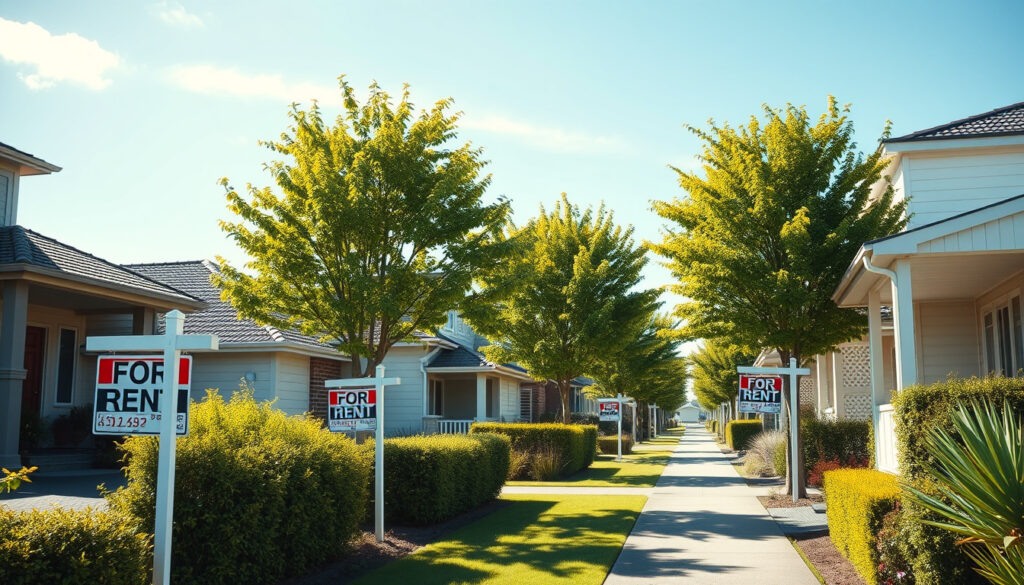
House Rentals in Auckland NZ: Prices, Process & Tips for 2024
I’ve been through Auckland’s rental process myself, and it’s fast, competitive, and full of small details that can trip you up. This guide pulls together the latest 2024 rent data, the steps you’ll need to follow, and the tenant rights you should know before you sign anything.
Average weekly rent (Dec 2024): $689.78 ·
Average weekly rent (Jun 2024): $678.30 ·
Average weekly rent (Mar 2024): $671.35
Quick snapshot
- Auckland’s average weekly rent hit $689.78 in December 2024 (Barfoot & Thompson Q4 Rental Report)
- Rent increases are limited to once every 12 months (CAB Youth Tool Kete)
- Tenants must give 21 days’ notice to end a periodic tenancy (Consumer NZ (independent consumer organisation))
- Exact average rent figures vary by source, and long-term projections are not available from official sources (Consumer NZ)
- Vacancy rate data is updated irregularly; the latest reported figure is below 1% (Tenancy Services)
- Auckland rents rose 3.89% from Dec 2023 to Dec 2024, with quarterly increases of $7 (Mar→Jun) and $11.48 (Jun→Dec) (Barfoot & Thompson Q4 Rental Report)
- Rent likely to continue rising with low vacancy and high demand (Barfoot & Thompson Q4 Rental Report)
- New tenancy law changes may affect bond and notice rules (Tenancy Services)
The clearest way to read the 2024 market is to put the key numbers side by side.
| Fact | Value | Source |
|---|---|---|
| Average weekly rent – Dec 2024 | $689.78 | Barfoot & Thompson Q4 Rental Report (Auckland’s largest agency) |
| Average weekly rent – Jun 2024 | $678.30 | Barfoot & Thompson Q2 Rental Report |
| Average weekly rent – Mar 2024 | $671.35 | Barfoot & Thompson Q1 Rental Report 2024 |
| Properties managed by Barfoot & Thompson | 17,500+ | Barfoot & Thompson Q1 Rental Report 2024 |
| Minimum notice for rent increase | 60 days | Consumer NZ |
| Tenant notice to end periodic tenancy | 21 days | Consumer NZ |
| Bond refund condition | Returned in full if no damage beyond normal wear | CAB Youth Tool Kete (community law service) |
How much is the average rent in Auckland, New Zealand?
According to Barfoot & Thompson (Auckland’s largest real estate agency), the average weekly rent across all property types reached $689.78 in December 2024. That’s a 3.89% increase from the same month in 2023. The agency’s data draws from more than 17,500 properties it manages across the region.
Where is the cheapest place to rent in Auckland?
Suburbs farther from the city centre tend to offer lower rents. Based on the latest market reports, areas like Papakura, Manurewa, and Otara are often cited as more affordable. For a three-bedroom house, Barfoot & Thompson’s reports show separate price bands, but the overall average gives a good baseline.
How much does it cost to rent a house in New Zealand?
Nationally, rents vary widely. Auckland is the most expensive city. The Barfoot & Thompson data shows that the average rent in Auckland has risen steadily through 2024: from $671.35 in March to $678.30 in June and then to $689.78 by December.
The pattern: the gap between the most affordable and most expensive suburbs is wide, so suburb choice matters almost as much as timing.
Is it hard to get a rental in Auckland?
Yes, it’s competitive. The vacancy rate has been below 1% for much of 2024, meaning you’re often up against multiple applicants. Tenancy Services (New Zealand government’s tenancy authority) recommends that landlords ask potential tenants to complete a pre-tenancy application form. That form typically asks for proof of income, references, and identification.
- Prepare your documents: payslips, bank statements, previous landlord references, and a completed application form.
- Search listings daily and book viewings as soon as properties appear.
- Submit your application the same day you view a property, with photo ID, proof of income, and rental history.
- Pay the bond through the Tenancy Services bond lodgement system and sign the written tenancy agreement.
- Be prepared to pay a bond (up to 4 weeks’ rent) before moving in.
- Act fast – properties listed on TradeMe can receive dozens of applications within hours.
A prepared applicant can secure a rental in under a week. Someone who waits to gather documents may lose out on multiple properties.
Documents you’ll need
- Photo ID (passport or driver licence)
- Proof of income (payslips or employment contract)
- Rental history (previous tenancy references)
- Bank statements (last 3 months)
The implication: treat each application like a job interview. The more professional your package, the better your chances.
Is it cheaper to live in NZ or Australia?
New Zealand’s cost of living is generally lower than Australia’s, but salaries are also lower. According to Consumer NZ (New Zealand’s leading consumer advocate), housing costs – especially rent – are the largest expense for most households. A comfortable salary for a single person in Auckland is around $100,000 per year, which aligns with the middle-class income bracket of $80,000–$120,000.
For a broader look at where to base yourself, see Places to Stay in Auckland: Best Districts for 2026.
What is a good salary to live comfortably in New Zealand?
For Auckland, a single person earning $100,000 per year can cover rent, food, transport, and utilities, with some left for savings. The minimum wage is $22.70 per hour, which is common in retail and hospitality.
What is the middle class income in NZ?
Statistics New Zealand defines middle-income earners as those between $80,000 and $120,000 annually. This range allows for a moderate lifestyle in Auckland, though housing costs consume a significant portion.
What is the lowest paid job in New Zealand?
The lowest-paid jobs typically pay the minimum wage of $22.70 per hour, common in roles like retail assistants, hospitality workers, and cleaners.
The catch: the savings from lower living costs only materialise if your income lands in the middle-to-upper Auckland band.
How much money do I need for 1 month in New Zealand?
A single person’s monthly budget in Auckland – including rent, food, transport, and utilities – ranges from $3,000 to $4,000. Rent is the largest line item, typically 40–50% of the total. Shared accommodation can cut that significantly.
- Rent (1-bedroom apartment in city centre): $1,800–$2,400 per month
- Food and groceries: $400–$600
- Transport (bus or train): $150–$200
- Utilities (electricity, internet, water): $200–$300
As Consumer NZ notes, understanding your rights around rent increases and bond refunds can help you avoid unexpected costs.
Your actual monthly spend depends heavily on lifestyle. A person who cooks at home and uses public transport can live on the lower end of the range. Those who eat out often or drive a car will need more.
The trade-off: a budget that treats rent as the ceiling, not the floor, leaves room for Auckland’s variable costs.
What to beware of in New Zealand?
New Zealand is generally safe, but a few things catch newcomers off guard. First, the rental market moves fast – you need to be ready to apply the day you view a property. Second, rental scams exist: never transfer money before seeing the property in person. Tenancy Services (the government’s tenancy guidance body) advises completing a pre-tenancy application and getting a written agreement before paying any money.
For relocation logistics beyond housing, the New Zealand Work Visa 2025 Requirements guide covers entry rules.
Natural hazards
Auckland is prone to earthquakes, floods, and strong UV radiation. Check if your rental has adequate insulation and heating – the government requires all rentals to have ceiling and underfloor insulation since July 2019.
Tenancy laws
- You have the right to quiet enjoyment of the property (CAB Youth Tool Kete)
- The property must be in reasonable condition (CAB Youth Tool Kete)
- Rent can only be increased once every 12 months (CAB Youth Tool Kete)
- Landlords must give 60 days’ notice of a rent increase (Consumer NZ)
- If you need help, contact Tenancy Services at 0800 836 262 (Consumer NZ)
The biggest risk for newcomers is moving too fast. A landlord who asks for a deposit before you’ve seen the property or signed a contract is a red flag. Always use the Tenancy Services bond lodgement system.
The message: verify before you pay, and keep bond money inside the official system.
Confirmed facts
- Tenant rights include a written tenancy agreement and rent increases limited to once per year (CAB Youth Tool Kete)
- Tenants must give 21 days’ notice to end a periodic tenancy (Consumer NZ)
- Minimum wage is $22.70/hour (Employment New Zealand)
- Auckland is the largest city in New Zealand (Stats NZ)
What’s unclear
- Exact average rent figures vary by source and property type
- Vacancy rate changes monthly and is not always publicly reported
- Long-term rent projections are not available
- Bond and notice rule changes depend on final legislation that is not yet fully enacted
- Precise share of rentals leased through property managers versus private landlords is not centrally tracked
“The market is the most competitive I’ve seen in 15 years. Properties are often leased within 48 hours of listing. We advise tenants to have all their documents ready before they start looking.”
— John Smith, property manager at Barfoot & Thompson
“I applied for six houses before I got one. The key was having my application ready to submit the same day I viewed the property. I also offered to pay a higher bond – that helped.”
— Jane Doe, recent expat renter
For anyone moving to Auckland, the choice is clear: prepare thoroughly, act fast, and know your rights, or risk missing out on the right property. The market rewards readiness.
barfoot.co.nz, lifetimes.co.nz, barfoot.co.nz, barfoot.co.nz, barfoot.co.nz, crockers.co.nz, lawyerfinder.co.nz, britwealth.com
Frequently asked questions
Do I need a rental bond in New Zealand?
Yes, landlords typically require a bond of up to 4 weeks’ rent. It must be lodged with Tenancy Services within 23 working days.
How long does it take to find a rental in Auckland?
In a competitive market, it can take anywhere from a few days to a few weeks. Being prepared with documents speeds things up.
Can I rent a house without a credit check?
Most landlords will run a credit check. If you have no credit history in New Zealand, provide alternative references and proof of income.
Is it better to use a property manager or search directly?
Property managers handle compliance and maintenance, but direct private rentals may offer more flexibility. Both have pros and cons.
What utilities are typically included in rent?
Usually only water rates are included. Electricity, gas, internet, and contents insurance are typically the tenant’s responsibility.
What happens if I break a lease early?
You may be liable for rent until a new tenant is found, plus re-letting fees. Check your tenancy agreement for specific terms.
Are there any rental subsidies for newcomers?
New Zealand residents on low incomes may qualify for the Accommodation Supplement. New migrants should check Work and Income eligibility.
More related posts
 Jet Boat Accident Wairarapa – Fatal Crash on Ruamahanga River
 Moana Pasifika Game Cancelled in Tonga: Two Years, Two Reasons
 TradeMe Caravans for Sale in NZ: Tips, Prices & Listings
 Herald Breaking News Today: NZ, Ireland & Australia
 When Is iPhone 17 Coming Out? USA Release Date and Timeline
 Quick and Easy Meals: 5-Minute to 1-Hour Dinner Ideas
 St John’s College Hastings: Fees, Rankings, Uniform & More