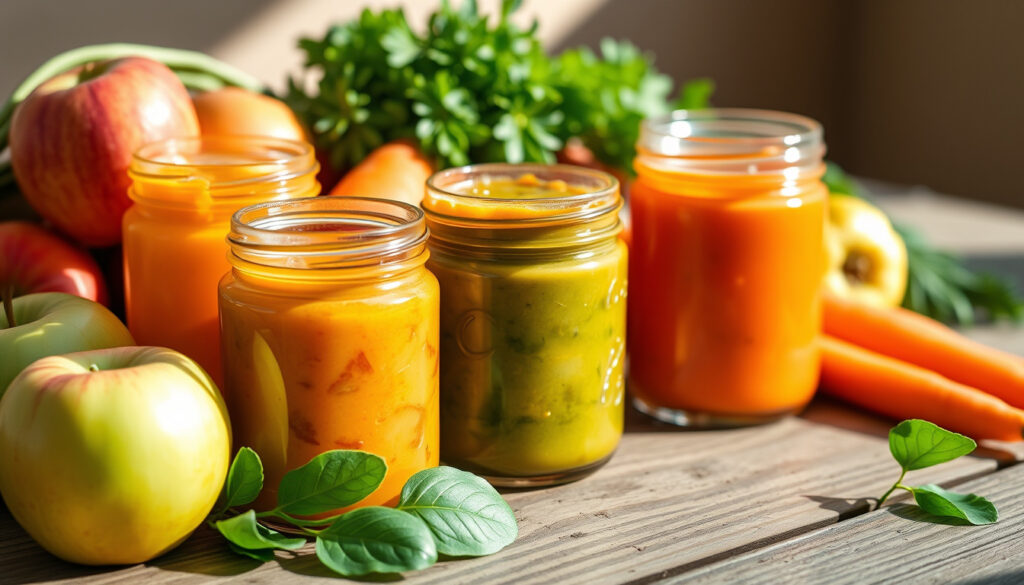
Only Organic Baby Food: Reviews & Is It Best for Babies?
Walking down the baby food aisle in a New Zealand supermarket, you’ve probably spotted those distinctive Only Organic pouches with their bright packaging. Parents in Australia and New Zealand have been reaching for this certified organic brand for years—but does “organic” on the label actually mean it’s the best choice for your little one? A new study tracking 625 babies across Auckland and Dunedin is starting to pull back the curtain on what those little pouches might mean for infant health and dental development. This guide cuts through the marketing to look at what Only Organic offers, where to buy it, and what parents should actually know before filling the shopping cart.
Brand Origin: Australia & New Zealand · Certification: Certified Organic · Availability: NZ supermarkets like New World, Woolworths · Product Range: Purees, pouches, snacks for 8+ months · Sales Channels: onlyorganic.co.nz, Instagram
Quick snapshot
- Certified organic per Only Organic Official Website
- Available at New World and Woolworths NZ (New World New Zealand)
- Stage 3 pouches are 120g in size (Woolworths New Zealand)
- Quantified health superiority over non-organic alternatives
- Specific iron and nutrient levels per Only Organic product
- Parent review aggregation from community forums
- First Foods NZ study ongoing as of 2026, examining pouch impact on infant health (Health Research Council of New Zealand)
- Study results expected to inform future NZ baby food standards
- Growing parent demand for transparency in organic labeling
| Attribute | Details |
|---|---|
| Primary Market | Australia & New Zealand |
| Product Formats | Pouches, purees, snacks |
| Age Suitability | Babies and toddlers, e.g. 8+ months |
| Retail Partners | All major NZ supermarkets |
| Certifications | Certified Organic, Nutritionist-approved |
| Stage 3 Pouch Size | 120g |
Should I feed my baby only organic food?
Deciding whether to go fully organic for your baby is one of those parenting choices that feels loaded with judgment—until you actually look at what the research says.
Health considerations
The Health Research Council of New Zealand is currently conducting a study tracking 625 babies aged 8–9 months from Auckland and Dunedin to understand how baby food pouches affect infant nutrition and dental health (Health Research Council of New Zealand). One key finding already emerging: manufacturers in New Zealand are generally cautious about not adding sugar to baby foods, but natural fruit sugar is still sugar (Health Research Council of New Zealand). The concern is that when babies suck on pouches, teeth are bathed in fruit sugars for extended periods, potentially increasing tooth decay risk compared to spoon-feeding or whole fruit consumption.
Cost vs benefits
Organic baby food typically costs more than conventional alternatives. Dr. Julie Bhosale, a New Zealand family health expert, notes that an organic baby rice pouch is still baby rice, and an organic fruit pouch is still a fruit pouch with the same natural sugar content (Dr. Julie Bhosale). Parents need to weigh whether organic certification addresses their specific concerns—whether that’s pesticide exposure, environmental farming practices, or perceived quality standards.
The trade-off: organic certification offers peace of mind about farming practices, but it doesn’t automatically make a product nutritionally superior for your baby.
Is Organic Baby Food Healthier for Babies?
This is the question that sells a lot of organic pouches—but the honest answer is more nuanced than the marketing suggests.
Nutrient comparisons
Studies haven’t consistently shown that organic produce contains meaningfully higher levels of nutrients relevant to infant development. The First Foods NZ study is specifically measuring nutrient intake, particularly iron levels, among babies using different food formats (Health Research Council of New Zealand). What experts consistently recommend is that healthy baby food pouches should feature vegetables as the first ingredient and be low in sugar at 6–8 grams or less (The Picky Eater Blog).
Pesticide concerns
The Picky Eater Blog, a recognized baby food reviewer, states that the healthiest baby food pouches are Clean Label certified or Consumer Reports verified, and made with organic ingredients (The Picky Eater Blog). For parents concerned about pesticide residue exposure during critical developmental stages, organic certification provides a meaningful layer of assurance—though it’s one factor among many in choosing a quality product.
The implication: organic is one piece of the puzzle, not the whole picture. The preparation method, ingredient order, and sugar content matter equally.
What is the best most organic baby food?
Ranking “best” depends on what you’re optimizing for—but independent testers have narrowed the field considerably.
Top tested purees
Good Housekeeping conducted testing with dietitians and real parents to identify top performers. Cerebelly organic baby food pouches are veggie forward and contain no added sugar, ranking highly for ingredient quality (Good Housekeeping). Serenity Kids pouches are BPA-free, shelf-stable, feature savory protein-packed blends with salmon, bison, and turkey, and hold a Clean Label Purity Award (Good Housekeeping). Holle is certified both organic and biodynamic, with farming practices that go beyond regular organic standards (The Picky Eater Blog).
Brand evaluations
The Picky Eater identifies five brands that meet the highest standards: Cerebelly, Serenity Kids, Once Upon a Farm, White Leaf Provisions, and Holle (The Picky Eater Blog). “I keep all five brands in my pantry and trust them for my own kids,” the reviewer notes. Only Organic positions itself within the certified organic segment specific to the Australia and New Zealand market, with nutritionist approval highlighted on its official website (Only Organic Official Website).
Only Organic doesn’t appear in broader international “best of” rankings because its distribution is focused on Australia and New Zealand—but that’s not a mark against quality. For NZ parents, it fills a local gap that imported brands can’t always serve.
Is organic baby food actually organic?
The word “organic” gets slapped on a lot of products. Here’s how to verify what it actually means.
Certification details
Only Organic states on its official website that products are made with certified organic ingredients and no unnecessary additives (Only Organic Official Website). In New Zealand, organic certification requires adherence to specific standards administered by recognized certification bodies. The brand positions itself as Australia and New Zealand’s certified organic baby food brand, with meals and snacks also nutritionist-approved (Only Organic Official Website).
Natural vs organic
Dr. Julie Bhosale warns that baby food titles can be misleading—they may say they contain vegetables but still have a high percentage of fruit or other ingredients (Dr. Julie Bhosale). “Natural” is an unregulated term; “certified organic” requires third-party verification. Parents should always check the ingredient list rather than relying on front-of-pack labeling to understand what’s actually in the pouch.
The catch: “organic” on the label means something specific, but it’s not a guarantee about sugar content, nutritional density, or suitability for your baby’s developmental stage.
What baby food to stay away from?
Not all baby food is created equal, and some products have features worth flagging before you add them to your registry.
Foods under 1 year
Experts recommend avoiding honey and whole nuts in any form for babies under 12 months due to allergy and choking risks. With pouches specifically, OHBaby! New Zealand notes that food pouches often come in plastic packaging that is difficult to recycle, creating an environmental consideration beyond nutritional content (OHBaby! New Zealand).
Risky ingredients
The First Foods NZ study highlights a specific dental health concern: when baby food pouches are consumed by sucking, teeth are bathed in fruit sugars more than if whole fruit were eaten or food were spoon-fed (Health Research Council of New Zealand). This could increase the risk of tooth decay, according to the researchers. OHBaby! also reports that food pouches do not taste as good as home-cooked meals and are often sweet (OHBaby! New Zealand), which may affect flavor development preferences.
Watch for pouches where fruit or added sweeteners appear before vegetables in the ingredient list. Sugar content should be 6–8 grams or less per pouch for a truly “healthy” option, according to The Picky Eater Blog’s analysis.
| Product | Sugar Content | Certification | Key Feature |
|---|---|---|---|
| Only Organic Chicken Sweetcorn & Brown Rice | Not specified on retailer listings | Certified Organic | Suitable for 6+ months |
| Only Organic Stage 3 Banana Berries & Yoghurt | Not specified on retailer listings | Certified Organic | 120g pouch size |
| Cerebelly | No added sugar | Organic | Veggie-forward recipes |
| Serenity Kids | Low | Clean Label Purity Award, Certified Pesticide Free | BPA-free, savory proteins |
| Holle | Low | Organic and Biodynamic | Biodynamic farming standards |
Upsides
- Certified organic ingredients without unnecessary additives
- Nutritionist-approved formulations
- Available at major NZ supermarkets (New World, Woolworths)
- Stage 3 pouches sized at 120g for appropriate portions
- Some products suitable from 6+ months onward
- Local brand serving Australia and New Zealand market
Downsides
- Sugar content not clearly listed on retailer pages
- Limited appearance in international independent rankings
- Plastic pouch packaging difficult to recycle
- Specific nutrient profiles (iron, etc.) not publicly detailed
- Ongoing research on pouch consumption and dental health
- Pouches may create sweetness preferences vs home-cooked meals
What experts say
Manufacturers in New Zealand are generally super cautious about not adding sugar to baby foods, but natural fruit sugar is still sugar.
— Health Research Council of New Zealand researcher on First Foods NZ study (Health Research Council of New Zealand)
When these baby foods are consumed by sucking on a pouch, the teeth are bathed in fruit sugars, and probably much more so than if they were to eat whole fruit or to be spoon-fed. This could increase the risk of tooth decay.
— Health Research Council of New Zealand researcher on First Foods NZ study (Health Research Council of New Zealand)
The healthiest pouches are Clean Label certified or Consumer Reports verified, made with organic ingredients, low in sugar (6–8 grams or less), and feature vegetables as the first ingredient.
— The Picky Eater, Baby food expert and reviewer (The Picky Eater Blog)
Organic baby rice pouch is still baby rice, and organic fruit pouch is still fruit pouch with the same natural sugar content.
— Dr. Julie Bhosale, New Zealand family health expert (Dr. Julie Bhosale)
For New Zealand parents choosing Only Organic, the brand delivers on its core promise: certified organic ingredients and nutritionist approval through channels that are genuinely convenient to access. The First Foods NZ study will eventually provide harder data on whether pouch consumption affects the outcomes parents care about most—iron intake, growth, and dental health. Until then, the evidence suggests that independent certifications like Clean Label Project carry weight when evaluating any organic baby food brand, not just Only Organic. What remains unclear is how Only Organic’s specific formulations stack up on criteria like sugar content and vegetable-first recipes against the top-ranked international alternatives. The gap between “certified organic” and “best available” is real, and parents who want the latter may need to look further than the local supermarket shelves.
Related reading: Best Water Play Tables NZ
While Only Organic pouches provide certified health benefits over regular options, experts strongly warn against honey risks for babies under one year due to botulism dangers.
Frequently asked questions
What makes Only Organic baby food certified?
Only Organic states on its official website that products are made with certified organic ingredients and no unnecessary additives, and that meals and snacks are nutritionist-approved. The certification follows New Zealand organic standards administered by recognized certification bodies.
Where can I find Only Organic baby food in NZ?
Only Organic products are available at major New Zealand supermarkets including New World and Woolworths NZ. You can also purchase directly from onlyorganic.co.nz.
What flavors are in Only Organic chicken baby food?
The Only Organic Chicken Sweetcorn & Brown Rice pouch is suitable for babies 6+ months and is available at New World. Stage 3 options like banana berries and yoghurt are also available, with the banana berries pouch sizing at 120g at Woolworths NZ.
How do organic standards apply to baby pouches?
Organic standards require that ingredients be grown without synthetic pesticides and fertilizers. For baby food pouches specifically, experts recommend looking for Clean Label certification or Consumer Reports verification in addition to organic certification, with sugar content at 6–8 grams or less.
What age groups is Only Organic suitable for?
Only Organic offers products suitable for babies and toddlers from around 6+ months onward, including textured meals, fruit pouches, and iron-enriched snacks designed for different developmental stages.
Is Only Organic available at New World?
Yes, Only Organic products are available at New World supermarket in New Zealand. The brand’s Chicken Sweetcorn & Brown Rice pouch listing confirms availability at New World for babies 6+ months.
More related posts
 Auckland to Fiji Flights: Direct, Duration, Cost & Tips
 New Zealand Dollar Price in India: Live NZD to INR Rate
 Car Loan Calculator NZ – Get Accurate Repayment Estimates
 What day is Easter 2025? April 20, Good Friday, Easter Monday
 Long Sleeve Dress NZ: Compare Formal, Midi & Winter Styles
 Utah Jazz vs Celtics Match Player Stats – Box Score Breakdown
 With Love, Meghan: Status, Cancellation Rumors & Finances
 BPC 157 Side Effects: Risks, Safety and Research