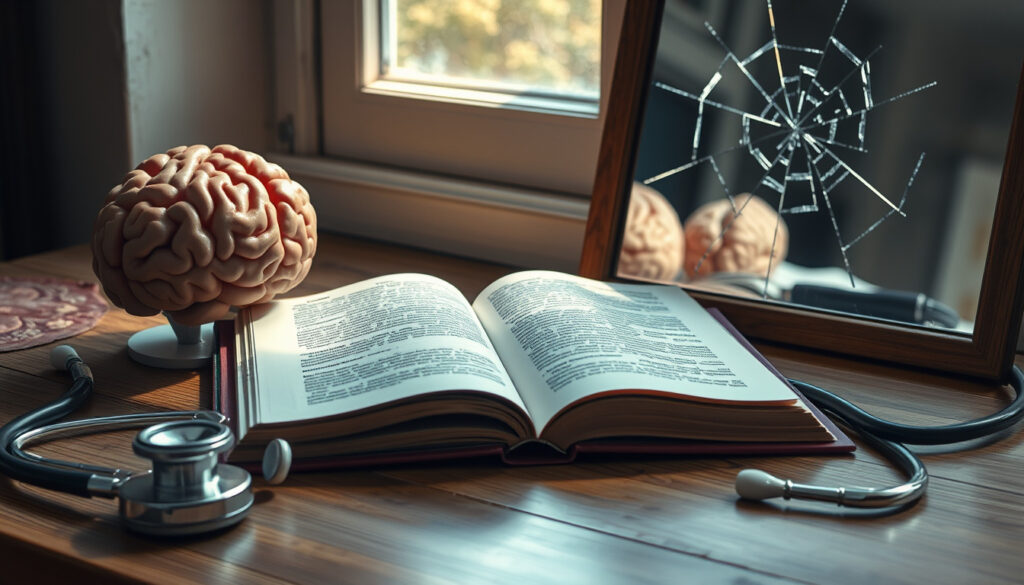
The Body Keeps the Score: Summary, Accuracy, and Controversy
Walk into almost any clinician’s office and you’ll spot a dog-eared copy of The Body Keeps the Score: Bessel van der Kolk’s 2014 bestseller, released as a 445-page Penguin edition in 2015, turned a generation of therapists and survivors toward the idea that trauma lives in the body, not just in memory. What follows sorts what the book actually claims, what current research confirms or challenges, and how to approach healing without hype or hero worship.
Author: Bessel van der Kolk, M.D. ·
First published: 2014 (Viking) ·
NYT bestseller: 200+ weeks on the New York Times list ·
Structure: 5 parts, 21 chapters ·
Original subtitle: Brain, Mind, and Body in the Healing of Trauma ·
Availability: Published in 30+ languages
Quick snapshot
- The author is Bessel van der Kolk, M.D., a former professor of psychiatry at Boston University School of Medicine (Penguin Random House (publisher)).
- Viking published the book in 2014, and a Penguin Books edition followed in 2015 with a copyright date of 2014 (San Francisco Public Library (library catalog)).
- Whether the book’s “body memory” language is meant literally or metaphorically is never fully settled — and critics say that ambiguity is the problem (BJPsych Bulletin (Cambridge University Press)).
- 2014–2015: the Viking release, followed by a 445-page Penguin Books edition (Marmot Library Network (library catalog)).
- For new readers, the recovery chapters provide a practical map of the methods — mindfulness, body awareness, movement, and relational healing (SparkNotes (study guide)).
Seven facts anchor the book’s public record, and one pattern stands out: the bibliographic facts are firm, while the interpretive claims around them keep shifting.
| Fact | Detail |
|---|---|
| Author | Bessel van der Kolk, M.D. |
| Full title | The Body Keeps the Score: Brain, Mind, and Body in the Healing of Trauma (San Francisco Public Library, library catalog) |
| First published | 2014 (Viking); Penguin Books edition 2015, copyright ©2014 (San Francisco Public Library, library catalog) |
| Pages | 445 (Penguin Books 2015 edition) (Marmot Library Network, library catalog) |
| Translations | Published in 30+ languages, per the publisher (Penguin Random House) |
| Reading time | Roughly 9–12 hours at a typical adult reading pace |
| Audience | Clinicians, survivors, and general readers interested in trauma |
The record itself is easy to verify. The hard part is deciding how much of the book’s science to accept — and that is where readers split.
What is the main point of The Body Keeps the Score?
The core thesis is simple to state and hard to absorb: trauma is not only a memory problem. It dysregulates the brain’s threat-detection system, fragments how experiences are stored, and leaves physical patterns that talk therapy alone often misses. Van der Kolk’s publisher frames the book’s argument the same way: trauma affects both mind and body, and healing calls for approaches that go beyond talk therapy alone (Penguin Random House, publisher).
- Chronic hyperarousal: the brain’s alarm system stays primed for danger.
- Fragmented memory: experiences are stored as isolated sensory and emotional fragments.
- Somatic imprint: the body keeps patterns of activation even when conscious memory fails.
Van der Kolk had been building this framework since the early 1990s, when he published a scholarly article built around the same title phrase. The book version landed in 2014 and kept growing in influence for a decade, carried as much by word of mouth among therapists as by its publisher’s marketing.
What is the famous quote from The Body Keeps the Score?
“The body keeps the score.”
— Bessel van der Kolk, The Body Keeps the Score (Viking, 2014) (Marmot Library Network, library catalog)
The phrase became a cultural shorthand because it captures a widely shared experience: the body reacts to trauma even when the mind stays silent. That is also why the book’s title is quoted more often than any single treatment recommendation in it.
The implication: the main point of the book is not “memories hide in muscles.” It is that the nervous system remembers in its own language, and any recovery that ignores the body will stay incomplete.
How accurate is The Body Keeps the Score?
The honest answer is: partly accurate, partly oversold. The book’s neuroscientific core — amygdala hyperreactivity, fragmented hippocampal memory, and an overactive stress response — reflects mainstream PTSD research. What draws criticism is the leap from those mechanisms to sweeping conclusions about “brain damage” and “stored trauma” as literal deposits in the body. A 2026 review in BJPsych Bulletin concluded that key assertions about trauma-induced brain damage are not supported by the current weight of research (BJPsych Bulletin, Cambridge University Press).
The book is on firm ground when it describes stress-system dysregulation and fragmented memory as features of PTSD. It is on shakier ground when it turns those findings into a universal claim that trauma is “stored” in the body and that any specific therapy can release it.
What is the controversy with The Body Keeps the Score?
- The public controversy: Mother Jones’s December 2024 essay, “What the Most Famous Book About Trauma Gets Wrong,” argued that the book’s influence has outrun its evidence (Mother Jones (investigative magazine)).
The controversy has two layers. The scientific layer is about overreach: even researchers who accept the book’s basic PTSD biology question how far its “body memory” claims can be generalized. The professional layer is about the author himself — and it is the part most readers discover only after they have already fallen under the book’s spell.
What was Bessel van der Kolk accused of?
- Mother Jones’s reporting described allegations of professional misconduct against van der Kolk; the allegations are disputed, and no official public adjudication establishes the specific details (Mother Jones, investigative magazine).
The public record, as reported by Mother Jones, involves allegations that predate the book’s fame but resurfaced during its long bestseller run. This article does not treat any specific allegation as established fact; what is established is that the allegations exist, that they are contested, and that they have complicated the book’s legacy. For readers, the practical effect is simple: the book’s science and its author’s conduct are separate questions, and both deserve scrutiny.
How does the body keep a score of trauma?
Van der Kolk’s model is basically a three-systems story. The amygdala — the brain’s smoke detector — becomes hyperreactive. The medial prefrontal cortex, which normally applies the brakes to emotional responses, goes underactive. And the hippocampus, which stitches experiences into coherent memory, fragments under stress. The result is a nervous system that keeps reacting to the past as if it were the present.
The book’s core insight is that these changes are physiological, not character flaws. A traumatized person is not “choosing” to overreact; their stress system is calibrated for a threat that no longer exists. That reframing, validated by decades of PTSD research, is the book’s most durable contribution.
The “score” registers in several ways: hyperarousal, so the body stays on edge; intrusive fragments, so flashbacks bypass linear memory; and emotional numbing, the system’s attempt to turn down the volume. Van der Kolk argues these patterns can persist even when a person cannot consciously recall the event — the body’s memory runs ahead of the mind’s.
What this means: the body keeps a score in the sense that the stress system keeps a ledger. The ledger is written in arousal, avoidance, and startle responses — not in a literal filing cabinet of hidden memories.
How to tell if trauma is stored in your body?
The phrase “stored trauma” is evocative, and clinicians use it loosely. The observable signs are more concrete. Van der Kolk’s framework points to a cluster of physical and emotional patterns that trauma survivors commonly report.
These signs are not a diagnosis. Only a licensed clinician can determine whether your symptoms reflect trauma, another medical condition, or both.
What are the signs of unresolved trauma?
- Physical: chronic muscle tension, a heightened startle response, sleep disruption, migraines, and gastrointestinal symptoms that resemble IBS.
- Emotional: hypervigilance, emotional dysregulation, avoidance of reminders, numbing, and dissociation.
- Behavioral: difficulty feeling safe around other people, withdrawing from intimacy, and staying in a low-grade fight-or-flight state.
The clinical distinction matters. The DSM-5’s formal PTSD criteria require specific symptom clusters plus functional impairment. The book’s “stored trauma” language is broader — it describes subclinical patterns too. That breadth is part of the book’s appeal and part of the scientific complaint against it.
The catch: almost every item on that list can also come from chronic stress, sleep deprivation, or physical illness. A symptom list is a starting point for assessment, not a self-diagnosis.
How to heal trauma in the body?
The book’s treatment chapters make a straightforward argument: because trauma disrupts the body’s regulatory systems, recovery has to involve the body as well as the mind. The methods van der Kolk highlights include EMDR, neurofeedback, yoga, and sensory-based approaches, alongside relational psychotherapy. A SparkNotes study guide summarizes the recovery section the same way: it covers mindfulness, support systems, dance or theater, body awareness, and action-oriented healing (SparkNotes, study guide).
- Work with a licensed trauma-informed therapist before attempting deep processing.
- Consider evidence-based therapies: EMDR, cognitive processing therapy (CPT), or prolonged exposure (PE).
- Add somatic practices — grounding, breath work, yoga — as an adjunct, not a replacement.
- Build safety and agency first; processing can wait until the nervous system can regulate.
Here is where the evidence gets delicate. A 2026 review in BJPsych Bulletin found that the book’s claims about the unique efficacy of body-based treatments are not supported by the current weight of research (BJPsych Bulletin, Cambridge University Press). Yoga and EMDR can be reasonable tools, but the field’s best evidence does not crown any single method as the answer for everyone.
The practical takeaway: use the book’s menu of methods as a conversation starter with a clinician, not as a prescription. The evidence supports engagement, safety, and connection far more strongly than it supports any one technique.
Is The Body Keeps the Score worth reading?
For a certain kind of reader, yes — with eyes open. The book is a vivid, compassionate tour of PTSD research, written by someone who treated thousands of patients and helped shape the field. It is also dense, graphic, and increasingly contested on specific claims. The question is what you want from it.
- Clinicians and students: read it for the framework and the case histories.
- Survivors: read it with a clinician’s support, or skip the graphic chapters entirely.
- Skeptics: read it alongside peer-reviewed critiques from outlets like BJPsych Bulletin.
How many hours does it take to read The Body Keeps the Score?
- Most readers finish the 445-page Penguin edition in roughly 9–12 hours at a typical adult pace.
That time investment makes sense if you want a narrative explanation of how trauma reshapes the brain and body. It makes less sense if you are hoping for a quick, up-to-date treatment manual — the book is not one, and readers who approach it that way often leave disappointed.
Upsides
- Readable, narrative-driven summary of PTSD research
- Documents why body-based treatments matter
- Huge cultural impact on trauma awareness
Downsides
- Dense; not a quick self-help book
- Some scientific claims are contested
- Graphic case material may trigger readers
- The author’s misconduct allegations complicate a wholehearted endorsement
The trade-off: no other single volume explains the mind-body model of trauma with as much narrative force — which is exactly why it still sells, and why it still needs a critical reader.
What to do next
If the book has convinced you that trauma is a body problem, the next step is not another chapter — it is a sequence of practical actions.
- Detection: notice unexplained physical symptoms (muscle tension, startle response, sleep disruption) and track emotional triggers (avoidance, hypervigilance, dissociation).
- Assessment: bring those observations to a licensed professional. Self-diagnosis from a book is not a clinical evaluation.
- Treatment: consider evidence-based options — EMDR, cognitive processing therapy, or prolonged exposure — delivered by a trauma-trained clinician.
- Somatic support: add grounding, breath work, or yoga as an adjunct, once safety and regulation are established.
Why this matters: the book’s greatest strength is making readers feel understood. Its greatest risk is making them feel that reading is treatment. It is not.
Timeline
Van der Kolk’s framework moved from an academic journal to the top of bestseller lists, and then into a public debate about evidence and conduct.
- — Van der Kolk publishes “The body keeps the score: Memory and the evolving psychobiology of posttraumatic stress” in the Harvard Review of Psychiatry (BJPsych Bulletin, Cambridge University Press).
- — Mother Jones publishes its critical reassessment, “What the Most Famous Book About Trauma Gets Wrong” (Mother Jones, investigative magazine).
What this means: the book sits at the center of a live argument about how trauma science becomes pop culture — and whether the translation preserved the evidence or stretched it.
What’s confirmed and what’s unclear
The confirmed
- The 1994 paper and the 2014 book are real, verifiable publications with a documented publication history.
- Van der Kolk is a psychiatrist and former Boston University professor who founded the former Trauma Center in Brookline, MA.
- The book’s core PTSD biology — amygdala hyperreactivity, hippocampal disruption, stress-hormone dysregulation — reflects mainstream research.
The unclear
- The specific misconduct allegations against van der Kolk are disputed, and no official public finding establishes them.
- The “body memory” framework’s reach beyond PTSD is scientifically contested.
- The unique efficacy of body-based treatments over other trauma therapies is not established.
- Reading-time estimates vary widely with reading speed.
What this means: The bibliographic record is settled, while the scientific and professional judgments around it remain contested.
Two voices on the debate
“The body keeps the score.”
— Bessel van der Kolk, The Body Keeps the Score (Viking, 2014) (Marmot Library Network, library catalog)
The recovery section covers mindfulness, support systems, dance or theater, body awareness, and action-oriented healing.
— SparkNotes study guide, summarizing the book’s recovery chapters (SparkNotes, study guide)
One voice speaks from inside the trauma field, the other from outside it. Between them sits the real question: whether the book’s emotional power makes its scientific overreach more dangerous or more forgivable.
The takeaway
The Body Keeps the Score remains a landmark, but its authority now comes with an asterisk. The book’s real service was making mind-body trauma science readable to millions; its real risk is that readers mistake its metaphors for settled mechanism. For survivors, the choice is clear: use the book as a starting point for understanding, then work with a licensed trauma-informed clinician to design an actual treatment plan — or skip the book entirely and go straight to the clinician. The score was kept long before the book arrived; survivors still heal in relationship, not on a page.
en.wikipedia.org, amazon.com, amazon.com, amazon.com, amazon.co.jp, scorpiobooks.co.nz
Frequently asked questions
Is The Body Keeps the Score a self-help book or a clinical book?
It is a popular-science book written by a clinician, not a self-help manual. It explains the neuroscience of trauma for general readers, but it does not give readers a step-by-step treatment protocol.
Does the book cover complex PTSD (CPTSD)?
The book predates the ICD-11’s formal CPTSD diagnosis and does not use that label systematically, but many of its case examples describe the prolonged, repeated trauma that the CPTSD diagnosis is meant to capture.
Which types of trauma does the book examine?
The book draws on research and case studies involving childhood abuse, domestic violence, combat, sexual assault, accidents, and neglect, with a strong focus on developmental trauma.
Does the author recommend medication?
Van der Kolk discusses SSRIs and other psychiatric medications as part of a broader treatment picture, but the book’s emphasis is on psychotherapy, body-based methods, and social connection rather than drugs as a standalone answer.
Why do therapists and survivors still read it more than a decade later?
The book gives readers a language for the mind-body effects of trauma that few earlier popular books provided. Its narrative case studies and its insistence that trauma is physiological continue to resonate even as specific claims are debated.
Who is the ideal reader for this book?
The ideal reader is someone who wants a thorough narrative introduction to PTSD research and is willing to read critically. Readers with active trauma symptoms should consider reading it with professional support because of the graphic clinical material.
What this means: The questions readers ask most are about application, not bibliography — which is why the clinical caveats matter.
Related reading
- As Above So Below: Meaning, Origin, and Misconceptions — explores the philosophical mirroring of inner and outer worlds, adjacent to the mind-body integration van der Kolk describes.
- Symptoms of Pancreatic Cancer: Early Signs and Survival — a companion piece on how the body signals deeper processes that are easy to miss.
More related posts
 Pacific Radiology Price List: CT, MRI & Scan Costs NZ
 What Is a VPN Protocol? Types, Security & Speed Guide
 Best Online Spanish Learning: 80/20 Rule & Top Apps
 ANZ Credit Card NZ: Contact, Check Balance & View Statements
 Royal Oak Pak n Save: Store Location, Online & Specials
 Tooth Extraction Cost NZ: Prices and What to Expect
 Best Plus Size Clothing Stores in New Zealand: A Complete 2025 Guide
 Happy New Year 2026 Images: Free Wishes & Greetings