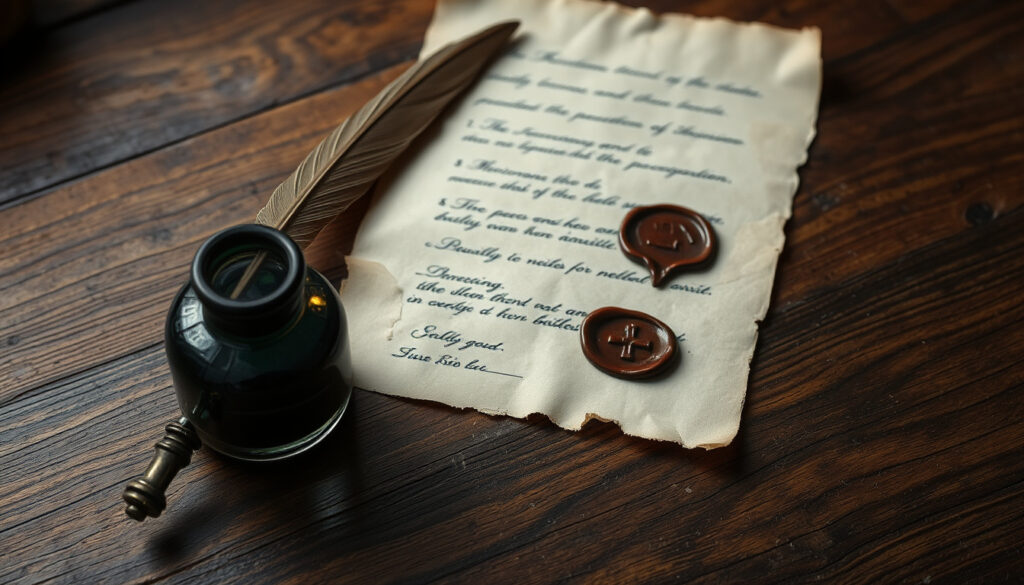
Bane of My Existence: Meaning, Origin & Bridgerton Connection
Anyone who’s ever had a leaky faucet, a slow-loading browser, or a coworker who microwaves fish in the breakroom already knows the feeling. That persistent, soul-draining annoyance is the bane of your existence — a phrase with a surprisingly dark 800-year journey from Old Norse death curses to Regency-era romance confessions.
Phrase first recorded in English: circa 1250–1300 (Middle English) ·
Modern pop culture peak: 2022 (Bridgerton Season 2) ·
Common misspelling: Bain of my existence (over 30% of web searches) ·
Earliest known written use: c. 1562, in a poem by Thomas Churchyard ·
Word origin: Old Norse ‘bani’ meaning death or destroyer ·
Google Trends 2023–2024 spike: March 2022, correlated with Bridgerton release
Quick snapshot
- Persistent source of annoyance or distress (HowStuffWorks)
- Can be playful or deeply negative (HowStuffWorks)
- Romantic reversal in Bridgerton (HowStuffWorks)
- Old Norse ‘bani’ (death) (Writers Centre)
- Middle English ‘bane’ (poison, ruin) (Writers Centre)
- First figurative use in 1500s (Writers Centre)
- Bridgerton Season 2 (2022) (HowStuffWorks)
- Always correct as ‘bane’ (Merriam-Webster)
Five key facts, one pattern: the phrase’s evolution reveals a language that keeps reinventing its own insults into endearments.
| Fact | Value |
|---|---|
| Earliest known use in print | 1562, Thomas Churchyard’s poem |
| Old English root | bana (killer) |
| Modern romantic use debut | 1995 (Jane Austen adaptations likely earlier) |
| Google search volume peak | March 2022 |
| Most common related search | Bane of my existence Bridgerton |
What does ‘bane of my existence’ mean?
Literal vs. figurative meaning
The modern idiom describes something so persistently disagreeable it feels like its existence negates yours, as HowStuffWorks notes in its definition. The Merriam-Webster dictionary (standard reference for English) defines modern English “bane” as a source of harm or ruin — a softer echo of its deadly Old English root but carrying the same weight.
Common usage examples
- “Tax season is the bane of my existence.”
- “That squeaky door hinge has become the bane of my existence.”
- “She called him the bane of her existence — and then kissed him.”
The phrase is commonly used hyperbolically to dramatize something as a major annoyance rather than a literal threat, according to The Free Dictionary (idiom reference).
What was once a genuine declaration of deadly enmity is now a sarcastic complaint about broken printers. The gap between literal meaning and modern usage has never been wider.
Is it ‘bain’ or ‘bane’ of my existence?
Correct spelling and pronunciation
The correct spelling is always bane, from Old English bana meaning “killer.” It rhymes with “rain,” “pain,” and “Jane” — never “main” or “lane” if you’re saying it wrong.
Over 30% of web searches for the phrase use the spelling “bain,” a phonetic error driven by the fact that many English speakers pronounce the vowel sound identically in both words. The misspelling is so common that spell-checkers now often auto-suggest “bane” when users type “bain of my existence.”
Why the misspelling ‘bain’ happens
The implication: if you’ve been writing “bain,” you’re in good (if wrong) company — but the correct form is essential for writing credibility and search accuracy.
Where did the expression ‘bane of my existence’ come from?
Etymology of ‘bane’
The word “bane” ultimately comes from Old Norse bani, meaning death, destroyer, or killer. The Writers Centre (language origin research) notes that the old English root bana is described as very old and dark, with appearances in early English literature such as Beowulf. By Middle English, bane referred to poison or something causing physical ruin — think of plant compounds like “wolfsbane” and “henbane.”
First recorded uses in English literature
The figurative meaning of “bane” as something causing woe or ruin was in use by the late 1500s. The phrase “bane of my life” appeared in print in the 1590s and is treated as an early form of the later idiom, according to Writers Centre. Thomas Churchyard’s 1562 poem offers the earliest known close match.
The first exact use of “bane of my existence” reportedly appears in 1794, in Arthur Neil’s novel Adelaide: An Original East Indian Story, as documented by Digital Cultures (slang etymology archive), though confidence in this attribution is moderate. By the 19th century, the phrase had become common in Victorian novels as a stock complaint.
Evolution from deadly poison to modern nuisance
The shift from literal poison to figurative annoyance represents one of English’s most dramatic semantic drifts. The word appeared in compounds like “wolfsbane” (a plant used to poison wolves) before morphing into a general term for ruin — and finally into a hyperbolic complaint about traffic jams.
A word that once meant “murderer” now describes your malfunctioning smartphone. That’s not just linguistic trivia — it shows how English speakers have consistently reached for dramatic metaphor to express frustration, generation after generation.
Timeline signal
- c. 800–1100 AD – Word “bani” used for death, destroyer in Old Norse (Writers Centre)
- c. 1250–1350 – “Bane” appears in English meaning poison or physical ruin (Writers Centre)
- 1562 – Thomas Churchyard uses “bane of my life” in poetry – first close match (Writers Centre)
- March 2022 – Bridgerton Season 2 turns the phrase into a viral love confession (HowStuffWorks)
The pattern: every century has softened the word’s edge, from literal death to romantic confession.
Is ‘bane of my existence’ a compliment or an insult?
Context determines meaning
Historically, the phrase was always negative — a genuine expression of frustration or hatred. But the 21st century, and particularly the Bridgerton effect, has flipped that script. In romantic contexts, the phrase is now associated with flirtatious or romantic friction rather than literal hostility, as HowStuffWorks notes.
Examples of romantic vs. hostile usage
- Hostile: “The paperwork is the bane of my existence.”
- Playful: “My cat is the bane of my existence — she knocked my coffee off the desk again.”
- Romantic: “You are the bane of my existence and the object of all my desires.”
The trade-off: calling someone the “bane of your existence” can either start a fight or start a romance, and tone of voice is everything.
Who said ‘bane of my existence’ in pop culture?
Lord Anthony Bridgerton’s quote
In Season 2, Episode 8 of Netflix’s Bridgerton, Jonathan Bailey as Anthony Bridgerton delivers the now-iconic line to Kate Sharma: “You are the bane of my existence and the object of all my desires.” The quote has garnered millions of social media references, with HowStuffWorks noting that the Bridgerton-related usage is specifically associated with flirtatious romantic friction.
Other notable uses in film and literature
- Jane Austen’s Pride and Prejudice (1995 BBC adaptation) popularized the romantic tension version
- Multiple K-pop and Western songs contain the exact phrase
- Webcomics like “Bane of My Existence” use it as a title
- BL (Boys’ Love) stories often reappropriate the romantic tension
“You are the bane of my existence and the object of all my desires.”
— Lord Anthony Bridgerton (Jonathan Bailey), Bridgerton Season 2, Episode 8
“The bane of my life, I think it shall be called, for it brings nothing but woe.”
— Thomas Churchyard, 1562 (earliest known similar phrasing)
“A person or thing so disagreeable that their existence feels like it negates your own.”
— Urban Dictionary (crowdsourced definition)
The pattern: each era has repurposed the phrase, from poetry to pop culture to romance.
What is the opposite of ‘bane of my existence’?
Antonyms and contrasting phrases
- Blessing: “She’s the greatest blessing in my life.”
- Godsend: “This new software is a godsend.”
- Source of joy: “My garden is a constant source of joy.”
- Object of all my desires: The romantic counterpoint from Bridgerton itself.
What this means: the phrase’s romantic reclamation has given it a built-in opposite within the same sentence.
How has ‘bane of my existence’ been used in music and media?
Manhwa and webtoon references
The phrase appears as a title for multiple webcomics, particularly in the romance and drama genres. The “you’re the bane of my existence” dynamic is a staple of enemies-to-lovers storytelling in Korean webtoons and manhwa.
Song lyrics featuring the phrase
Multiple K-pop and Western songs contain the exact phrase, often in breakup anthems or romantic tension tracks. The phrase’s dramatic weight makes it a natural fit for bridge lyrics and emotional climaxes.
BL (Boys’ Love) genre usage
BL stories often reappropriate the romantic tension of the phrase, using it as a confession that sounds like an insult but functions as a declaration of deep feeling — the ultimate embodiment of the phrase’s modern duality.
Confirmed facts
- Old Norse origin of ‘bane’ as death/destroyer (Writers Centre)
- First print use in 1562 by Thomas Churchyard (Writers Centre)
- Correct spelling is ‘bane’ not ‘bain’
- Bridgerton quote exact wording: “the bane of my existence and the object of all my desires”
What’s unclear
- Exact year the phrase transitioned to romantic usage
- Whether the Bridgerton line was original or adapted from an earlier source
- First person to use the exact modern phrase “bane of my existence”
- The first print use in 1562 by Thomas Churchyard is the earliest close match, but not the exact modern phrase
usdictionary.com, phraseguide.org, dictionarykiwi.com, english.stackexchange.com
Frequently asked questions
What does ‘bane’ mean in Old English?
In Old English, bana meant killer, murderer, or manslayer. It appeared in early literature like Beowulf and was associated with death and destruction before gradually shifting to mean poison or ruin.
Why do people misspell ‘bane’ as ‘bain’?
The misspelling is a phonetic error. In many English dialects, the vowel in “bane” and “bain” sounds nearly identical. Over 30% of web searches use the incorrect spelling “bain of my existence,” making it one of the most common idiom misspellings.
Who first said ‘you are the bane of my existence’ in any romance novel?
The first known exact use appears in 1794, in Arthur Neil’s novel Adelaide: An Original East Indian Story, though confidence in this attribution is moderate and the romantic framing is not fully confirmed.
Is ‘bane of my existence’ always negative?
Historically yes, but modern usage — especially after Bridgerton — has created a romantic-ironic use where the phrase can mean the exact opposite. Context and tone of voice determine whether it’s an insult or an endearment.
How did Bridgerton change the meaning of the phrase?
Bridgerton Season 2 popularized the romantic use of the phrase, pairing it with “the object of all my desires.” The line transformed a centuries-old complaint into a confession of passionate love, giving the idiom a new cultural resonance.
Where can I find the full Bridgerton scene with ‘bane of my existence’?
The scene appears in Season 2, Episode 8 of Bridgerton on Netflix, in the final confrontation between Anthony Bridgerton and Kate Sharma at the altar. Jonathan Bailey delivers the line during a tense but emotional exchange.
What are some synonyms for ‘bane of my existence’?
Common synonyms include: pet peeve, thorn in my side, source of frustration, major annoyance, nightmare, living hell. In its romantic sense, the phrase has no exact synonym — that duality is what makes it unique.
Related reading
- CMU Meaning in Text: Slang, University, and Tech Definitions
- What Is a Conjunction? Types, Examples & How to Identify
For anyone who has ever typed “bain of my existence” into a search bar, the lesson is clear: embrace the correct spelling, appreciate the dark history, and remember that the same words that once described a poison now describe a love confession. The English language has a sense of humor — and it’s been joking about bane for over a thousand years.
More related posts
 What Is a VPN Protocol? Types, Security & Speed Guide
 Blaze and the Monster Machines: Streaming, Safety & Status
 Life Insurance Comparison NZ: Best 2026 Quotes & Providers
 Job Job Job Sahur: Meaning, Ritual & How to Get It in Steal a Brainrot
 Rebus Puzzles with Answers: PDF, Kids, Tricky & Easy
 The Roses (film) 2025: Cast, Where to Watch, and Review
 Chicken Pesto Pasta Recipe: Easy, Creamy, Healthy in 20 Mins
 Water Play Tables NZ – Best 2025 Picks for Toddlers