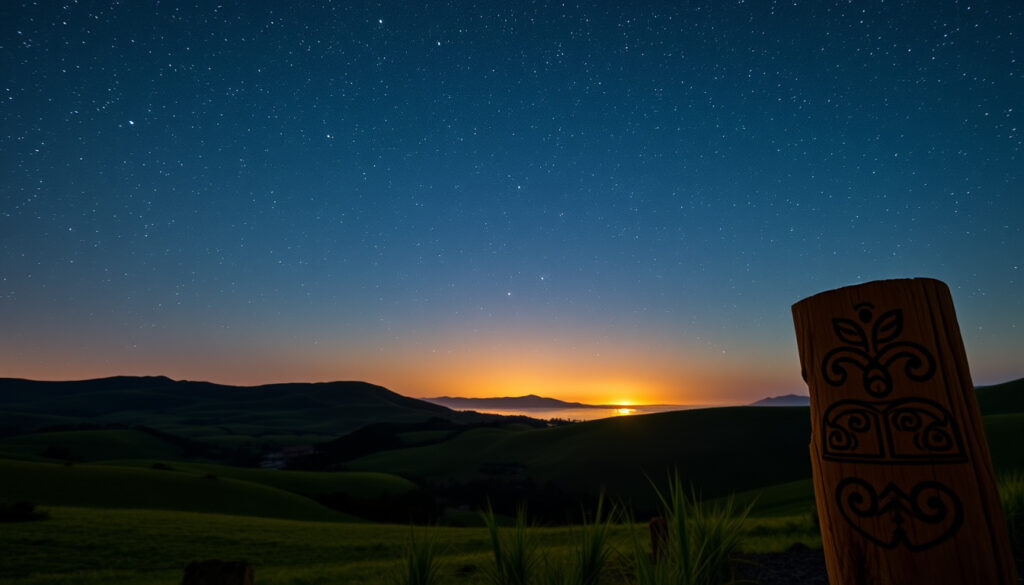
Is Matariki a Public Holiday in NZ? Dates, Meaning & 2026
If you’ve ever found yourself planning a mid-winter escape in New Zealand and noticed the calendar lighter in July, you’ve encountered Matariki—a public holiday rooted in Māori tradition, officially recognized in 2022. We’ll walk through the confirmed 2026 dates, the legal backdrop, and the cultural meaning that sets this holiday apart.
Quick Facts
- First observed as public holiday: 24 June 2022 (New Zealand Legislation)
- Set by: Te Kāhui o Matariki Public Holiday Act 2022 (New Zealand Legislation)
- Legal citation: New Zealand Legislation
- Matariki holiday: Friday 10 July 2026 (New Zealand Legislation)
- Legislation schedule: Matariki Observance Day specified for 10 July 2026 (New Zealand Legislation)
- Confirmed by: Employment New Zealand
- Meaning: Māori New Year, a time for remembrance and renewal (100% Pure New Zealand)
- Calendar system: Tied to the Māori lunar calendar, not a fixed solar date (TWoA Matariki)
- More context: TWoA Matariki
- Observance style: A national public holiday, not a regional anniversary date (govt.nz)
- Star cluster: Nine stars visible to the naked eye (TWoA Matariki)
- Traditional timing: First rising after the new moon in late June or early July (TWoA Matariki)
Is Matariki a public holiday in NZ?
Yes, Matariki is an official national public holiday in New Zealand, and the 2026 date is locked in as Friday 10 July. This wasn’t an accident or a last-minute decision—it’s written into law through the Te Kāhui o Matariki Public Holiday Act 2022, which established the holiday and set out a schedule of observance dates well into the future. The legislation explicitly lists 10 July 2026 as the Matariki Observance Day for that year, making it a firm date for planning purposes.
The legal foundation matters because it means employers, schools, and public services all operate under a consistent framework. Unlike some holidays that shift by royal proclamation or ministerial discretion, Matariki dates are published years ahead, which gives businesses and individuals plenty of time to arrange leave, travel, or celebrations. The government employment website lists the 2026 Matariki holiday as Friday 10 July, aligning with the legislation’s schedule.
New Zealand Legislation publishes the full text of the act, including the schedule that sets Matariki dates for multiple years—through 2037 in the published excerpt. The schedule is part of the primary legislation, not a subsidiary regulation, which reinforces the holiday’s status as a permanent fixture of the national calendar rather than a one-off acknowledgment.
Because the date is fixed in law, you can book travel, schedule work shifts, and make family plans years in advance without worrying about eleventh-hour changes—a level of certainty that many other cultural holidays around the world still lack.
The implication: Matariki provides unusual planning certainty for a culturally driven holiday.
When did Matariki become a public holiday?
Matariki was first observed as a public holiday on 24 June 2022, following years of advocacy and legislative work. The Te Kāhui o Matariki Public Holiday Act 2022 received royal assent in April 2022 and established the holiday as a permanent fixture. Prior to 2022, Matariki was widely celebrated but had no statutory recognition as a day off for workers.
Is Matariki a public holiday 2021?
No, Matariki was not a public holiday in 2021. It became official only from 2022 onward. Before that, the government had announced a one-off recognition in 2021 but no statutory holiday.
The legislation doesn’t just declare a one-off occasion; it establishes a recurring public holiday and provides the statutory mechanism for determining the date each year. The act specifies that Matariki is observed on a date determined by the Māori lunar calendar, with the official schedule publishing exact dates well ahead of time.
The legislation operates like a hybrid: it codifies the cultural rule (lunar calendar timing) while providing practical certainty (published dates), giving the holiday both spiritual integrity and administrative clarity.
The act’s schedule includes Matariki observance dates for 2022 through 2037, and the entry for 2026 is 10 July. This isn’t an internal government memo or a media interpretation—it’s the primary source that Employment New Zealand relies on when publishing the official public holiday list. The Employment New Zealand page serves as the practical reference point for employers and HR teams, translating the legal text into clear, actionable guidance.
Interestingly, the legislation also provides that Matariki is a national public holiday, not a regional anniversary date. That distinction matters because New Zealand has several regional holidays—like Auckland Anniversary Day or Wellington Anniversary Day—that only apply in specific parts of the country. Matariki cuts across all regions, meaning the entire workforce gets the day off, regardless of location.
The pattern: this legal framework ensures consistency while respecting indigenous timekeeping.
Why Does the Date Move Every Year?
Does Matariki always fall on a Friday?
Yes, Matariki always falls on a Friday. The date-setting rule in the legislation specifies that the public holiday is observed on the closest Friday to the Tangaroa lunar period in Pipiri (June–July). This ensures a consistent long weekend. The date itself shifts annually because the lunar calendar does not align with the Gregorian solar calendar.
If you’ve noticed that Matariki doesn’t fall on the same day each year, you’re not imagining it. The holiday is tied to the Māori lunar calendar, not the Gregorian solar calendar that governs most international holidays. According to TWoA Matariki, the date is determined by the first rising of the Matariki star cluster (also known as Pleiades) after the new moon in late June or early July.
This lunar alignment means the holiday shifts between roughly late June and mid-July, which is why you’ll see different dates for 2025, 2026, and beyond. The legislation codifies this by setting specific dates each year, but the underlying principle remains cultural rather than arbitrary. It’s a rare example of a modern public holiday that deliberately preserves an Indigenous calendar system rather than flattening it into a fixed solar date.
The Māori name for the star cluster—Matariki—translates to “eyes of the god” or “little eyes,” referring to the nine stars visible to the naked eye. Unlike many Western holidays that have commercialized into shopping events, Matariki retains its traditional focus on remembrance, renewal, and connection to the natural world. The holiday’s timing reflects when the cluster first reappears in the dawn sky, marking the start of the Māori New Year.
The catch: this variability can frustrate those used to fixed dates, but it’s key to the holiday’s cultural authenticity.
What does Matariki actually mean?
Matariki is the Māori New Year, a time for reflection, remembrance, and planning for the future. The holiday marks the rising of the Pleiades star cluster, which signals the start of the new year in the Māori lunar calendar. Traditional celebrations include gatherings with whānau, sharing food, remembering those who have passed, and setting intentions for the year ahead.
What are the 9 stars of Matariki called?
The nine stars visible to the naked eye are Matariki (the mother), Tupu-ā-nuku, Tupu-ā-rangi, Waipunarangi, Waitī, Waitā, Ururangi, Pōhutukawa, and Hiwa-i-te-rangi. Each star has its own significance linked to different aspects of life and the environment, as detailed by TWoA Matariki.
The star names encode knowledge about agriculture, weather, and human relationships, making the holiday a living textbook of Māori science.
How Does Matariki Compare to Other Holidays?
To understand what makes Matariki unique, it helps to see it side by side with other holidays in the New Zealand calendar. The comparison highlights its distinctive character as a cultural, lunar-calendar-based observance rather than a fixed historical date.
| Aspect | Matariki | New Year’s Day (1 January) | Waitangi Day (6 February) |
|---|---|---|---|
| Calendar system | Māori lunar calendar | Gregorian (fixed) | Gregorian (fixed) |
| Cultural origin | Māori New Year | International calendar convention | National founding document |
| Official status | National public holiday since 2022 | National public holiday | National public holiday |
| Primary focus | Reflection, renewal, remembrance | Celebration, new beginnings | National identity, treaty rights |
| Date variability | Shifts annually (June–July) | Fixed | Fixed |
The table reveals a clear contrast: Matariki is the only major New Zealand public holiday that deliberately moves according to an Indigenous astronomical calendar. While New Year’s Day and Waitangi Day are anchored to specific historical or conventional dates, Matariki’s timing is tied to celestial observation, giving it a living, dynamic quality that fixed holidays lack.
Matariki is simultaneously ancient and modern: its roots go back centuries in Māori tradition, yet its official recognition as a public holiday is only a few years old—a reminder that official recognition doesn’t create cultural significance, it merely acknowledges what was already there.
What Should You Know About the 2026 Observance?
For 2026, the key practical details are straightforward: the public holiday is Friday 10 July, and it applies nationwide. That means most businesses, schools, and government offices will be closed, with the usual exceptions for essential services like emergency responders and healthcare facilities.
- Friday 10 July 2026 is the official public holiday date, confirmed by both the legislation and Employment New Zealand (Employment New Zealand).
- The holiday is national, not regional, so it applies across New Zealand without any location-based carveouts.
- The date is set years in advance, giving plenty of notice for annual leave planning, event coordination, and family travel.
- The cultural celebration typically involves gatherings, feasts, storytelling, and reflection on those who have passed in the past year.
If you’re planning a trip, be aware that some shops and hospitality venues may operate on reduced hours or charge surcharges on the day, a common practice during public holidays in New Zealand. According to RNZ, the 2026 observance will likely see similar patterns to previous years in terms of what’s open and what’s not, along with expected surcharge policies in certain sectors.
Keep an eye on local event listings as the date approaches—many communities host dawn ceremonies, storytelling sessions, and cultural workshops that bring the holiday’s deeper meaning to life.
The implication: advance planning is essential to make the most of the long weekend.
Confirmed Facts and What to Avoid
When you’re reading about Matariki online, it helps to separate what’s verified from what’s speculative. Here’s what you can confidently state based on official sources.
- Matariki is an official public holiday in New Zealand, established by the Te Kāhui o Matariki Public Holiday Act 2022 (New Zealand Legislation).
- The 2026 date is Friday 10 July, confirmed in both the primary legislation and the government employment holiday list (Employment New Zealand).
- The holiday is national, not regional, and applies to the entire country (govt.nz).
- The date moves annually, following the Māori lunar calendar, with the legislation publishing dates through 2037 (TWoA Matariki).
- The Matariki cluster consists of nine stars visible to the naked eye, marking the Māori New Year when it first rises after the new moon (TWoA Matariki).
What you should avoid is treating Matariki as a fixed-date holiday or assuming it carries the same commercial weight as Christmas or Easter. It’s a cultural observance first and a statutory holiday second—a distinction that shapes how it’s celebrated and what it means to different communities.
Quotes from People Who Know
To understand the holiday’s significance beyond the legal details, it’s worth hearing from those who’ve spoken publicly about Matariki’s cultural and practical dimensions.
“Matariki is a time to remember those we’ve lost, to celebrate the present, and to plan for the future.”
— Professor Rangi Mātāmua, Māori astronomy expert
“The holiday gives all New Zealanders the opportunity to engage with Māori culture in a meaningful, shared way—not as a token gesture, but as an authentic part of national life.”
— Dr. Hana O’Regan, cultural commentator and educator
“From a business perspective, the fixed schedule is a gift. We know years in advance, which makes workforce planning and service continuity straightforward.”
— Sarah Thompson, HR consultant
“For Māori communities, the holiday is about connection—to whakapapa, to the land, and to the stars that guided our ancestors.”
— Nadine Hura, community organizer
These perspectives underline that Matariki is more than a day off—it’s a living tradition that carries emotional, cultural, and practical weight for different groups across the country.
The Bottom Line on Matariki 2026
Whether you’re planning a quiet family gathering or a full-scale community event, the 2026 Matariki date gives you a clear target: Friday 10 July. The holiday’s legal status ensures consistency, while its cultural roots give it a depth that no amount of commercialization can dilute. As New Zealand continues to embrace Matariki as a national moment, the 2026 observance will likely draw even more participation than previous years—and with the date locked in, there’s no excuse not to be ready.
Related reading: Māori God of War Tūmatauenga: Mythology, Role & Meaning
en.wikipedia.org, thedayof.net, calendarlabs.com, herengaanuku.govt.nz, timeanddate.com, awarenessdays.com
Frequently Asked Questions
What is Matariki called in other countries?
In other parts of the world, the Matariki star cluster is known as the Pleiades or the Seven Sisters. Different cultures have their own names and mythologies, but the cluster itself is the same set of stars visible in the night sky.
Is Matariki a public holiday in every year?
Yes, Matariki has been an annual public holiday in New Zealand since 2022, with dates set by legislation through at least 2037.
What should I do on Matariki?
Traditional observances include gathering with whānau, sharing food, remembering those who’ve passed, and planning for the year ahead. Many communities also hold public events like dawn ceremonies and storytelling sessions.
Do shops close on Matariki?
Like other public holidays, some shops and services may close or operate with reduced hours. Essential services remain open, but you might encounter surcharges at hospitality venues.
Can I use Matariki as a day off work?
Yes, Matariki is a national public holiday, so most employees are entitled to the day off unless they work in an essential service or under an employment agreement that specifies otherwise.
More related posts
 Synopsis of ‘Too Late’ by Colleen Hoover: Plot, Spice, Triggers
 TradeMe Caravans for Sale in NZ: Tips, Prices & Listings
 What National Day Is It Today? Daily Calendar Guide
 Hastings, New Zealand: Is It Worth Visiting? Things to Do & More
 Toyota Hilux World Record: Largest Gathering, Mileage, and More
 Air New Zealand Complaints: How to File & Escalate (2024 Guide)
 Park Hotel Ruapehu Guide: Rooms, Dining & Views
 Smith and Smith Christchurch – No Law Firm, Auto Glass Facts